
High-pressure gas transport carries massive inherent risks. The valve serves as your ultimate control point. Missing or illegible markings violate strict safety laws. This failure immediately exposes buyers and procurement teams to severe legal liability. How do you spot a dangerous counterfeit before it enters your supply chain? Let us examine the exact compliance rules required by international standards. Knowing these details will help you secure your operations and prevent catastrophic failures.
The Pi Mark is Non-Negotiable: It serves as the ultimate visual proof that a valve meets stringent European safety and testing standards. Without this mark, the equipment is legally unfit for transport.
Pressure Ratings Prevent Disasters: Procurement teams must rigorously verify that Working Pressure and Test Pressure markings align perfectly with cylinder specifications.
Traceability is Mandatory: Manufacturer identification codes, adherence to recognized standards like EN ISO 10297, and precise manufacturing dates are legally required for safe lifecycle auditing.
Different Gases Demand Different Rules: Specialized valves feature distinct material compatibility indicators compared to standard closures. This reflects the unique combustion risks of reactive gases.
Missing Markings Equal High Liability: Valves lacking clear and correctly formatted engravings should be rejected immediately. Procuring non-compliant equipment exposes organizations to massive regulatory fines.
Understanding the regulatory framework governing pressurized gas transport is the foundational step for any B2B buyer. The Transportable Pressure Equipment Directive, officially known as Directive 2010/35/EU, establishes uniform standards for the safe transport of pressurized equipment. This directive works in strict conjunction with the European Agreement concerning the International Carriage of Dangerous Goods by Road. Together, these regulations ensure that any pressurized container can withstand the extreme physical stresses of industrial transport.
Field engineers and safety officers universally recognize the valve as the most vulnerable mechanical bottleneck in a pressurized system. A heavy metal cylinder distributes stress evenly. The valve, however, must regulate immense internal pressure while enduring external environmental shocks during transit. Consequently, a compliant TPED gas cylinder valve is engineered to exact tolerances. For instance, high-quality units utilize robust HPb59-1 forged brass to guarantee structural integrity under extreme load.
Markings are not mere administrative formalities. They are the permanent physical record of a valve's engineering limits and testing history. If a buyer procures valves with unauthorized markings, they assume total liability for any subsequent failures. In the event of an industrial accident, the absence of verified markings immediately shifts the legal burden onto the procurement entity.
For procurement managers sourcing equipment for regions adhering to strict transport standards, the Pi mark is the most critical engraving to verify. This official symbol certifies that the equipment fully complies with the Transportable Pressure Equipment Directive. It functions as the pressurized equipment equivalent of the CE mark. It indicates the product has successfully passed rigorous hydrostatic and material conformity assessments.
However, the presence of the Pi symbol alone is insufficient. By law, the Pi mark must always be accompanied by a specific four-digit number. This sequence identifies the Notified Body. A Notified Body is an independent, government-authorized inspection agency that audited the manufacturing process. For example, a mark might read Pi 0036 or Pi 0029. This ensures the certification was granted by an objective third party rather than self-certified by the manufacturer.
Buyers must implement strict verification protocols. Counterfeit valves occasionally feature a fake Pi symbol without the accompanying code. Procurement teams should cross-reference the stamped Notified Body number with the European Commission NANDO database. Imagine receiving a shipment of thousands of valves. A quick thumb-rub over the engraving to feel its depth, followed by a database check, can save your company from a multi-million dollar compliance disaster.
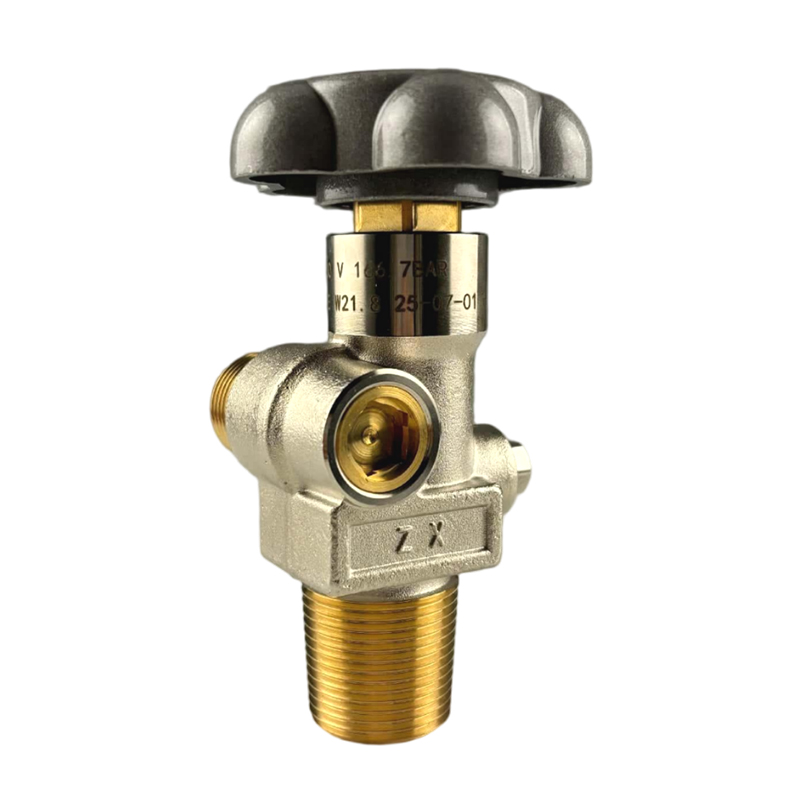
Pressure markings represent the absolute operational boundaries of a gas control system. Exceeding these boundaries invites structural failure, rapid gas release, and potential explosions. Buyers must intimately understand three primary pressure metrics stamped onto the valve body.
Working Pressure, often engraved as WP, defines the maximum allowable pressure the valve is designed to handle during normal daily operation. For industrial applications, common WP markings include 200 bar or 300 bar. This marking dictates the safe operational limits for the end-user filling the cylinder at a standard reference temperature.
Test Pressure, marked as TP, is a critical safety metric. It represents the elevated pressure applied to the valve during the manufacturer's hydrostatic testing phase. The TP is typically engineered to be 1.2 to 1.5 times higher than the Working Pressure. For a 200 bar valve, the TP might be 240 bar or 300 bar. The successful stamping of the TP value proves that the structural integrity of the brass body can withstand massive pressure spikes without yielding.
Installing a 200 bar valve on a 300 bar cylinder is a catastrophic safety violation. Strict procurement rules dictate that valve pressure markings must always match or exceed the cylinder specifications.
| Pressure Marking | Definition | Typical Ratio | Safety Purpose |
|---|---|---|---|
| Working Pressure WP | Maximum pressure during normal daily operation. | Baseline Limit | Dictates safe filling limits for operational use. |
| Test Pressure TP | Elevated pressure applied during factory testing. | 1.2x to 1.5x WP | Proves structural integrity against pressure spikes. |
| Burst Pressure | The theoretical limit where structural failure occurs. | Over 1.5x WP | Ensures a mandatory safety margin prevents explosions. |
Beyond regulatory symbols and pressure limits, a compliant valve must provide clear traceability. Safety officers rely on manufacturer and standard markings to trace the equipment back to its origin during routine audits or product recalls.
The manufacturer identity is the first crucial marking. This is typically rendered as a registered trademark or an authorized identification code. This marking ensures accountability and prevents anonymous, low-quality products from entering the supply chain.
Equally important is the Manufacturing Date, usually stamped in a Year and Month format. The manufacturing date dictates the maintenance schedule and the ultimate retirement timeline of the equipment. Industrial environments subject these components to immense wear and tear. Knowing the exact age allows safety officers to mandate periodic inspections precisely when required.
The design standard must also be clearly visible. The most common standard for European and international markets is EN ISO 10297. This marking guarantees that the design, materials, and testing protocols align with global engineering consensus.
Thread size and type markings are mandatory for mechanical compatibility. Inlet and outlet threads must be engraved to ensure a safe, leak-free connection. Mismatched threads can lead to thread stripping and high-pressure blowouts. Therefore, ensuring the procurement of a compliant industrial gas cylinder valve requires strict attention to dimensions like 25E inlet threads or W21.8 outlet threads to match your existing cylinder inventory perfectly.
While baseline compliance markings apply to all transportable pressure equipment, different gases require specialized markings. Procurement managers must tailor their inspection checklists based on the specific application.
Oxygen acts as a powerful accelerant. Materials that remain completely safe when exposed to inert gases can spontaneously combust when exposed to high-pressure oxygen. Therefore, a specialized oxygen cylinder valve demands distinct material certifications. Buyers should look for specific testing marks indicating the valve has been rigorously tested for adiabatic compression ignition risks. These valves often feature CGA540 or G3/4 outlets and utilize specific brass alloys to prevent oxidation or sparking.
The handwheel is the primary interface between the operator and the pressurized system. A reliable cylinder Handle Wheel Valve must feature specific markings on the handwheel itself to prevent operator error. Clear and indelible directional arrows indicating Open and Close are mandatory. In a loud manufacturing facility, these simple visual cues prevent workers from accidentally forcing a valve in the wrong direction.
High-quality handle wheel valves often display torque specifications. Overtightening can damage the internal seat, leading to slow and undetectable leaks. The handwheel material must also meet durability requirements, verifiable through technical documentation.
Recent industry analyses reveal a rapid shift in how procurement teams evaluate high-pressure gas equipment. Global regulatory bodies are tightening oversight on hazardous material transport. Consequently, supply chain managers are moving away from purely price-driven purchasing toward compliance-first sourcing.
A major trend is the increased scrutiny of marking durability. While laser etching has become popular for its precision, field reports indicate that shallow laser marks on brass valves often fade after months of exposure to harsh weather and chemical cleaning agents. This fading renders the valve illegal for transport. As a result, safety auditors are strongly advocating for traditional, deep metal forging or heavy stamping for critical metrics like the Pi mark and Working Pressure. Verifiable traceability is no longer just a best practice; it is a strict legal requirement enforced by automated visual inspection systems at modern filling plants.
Procurement managers face constant pressure to optimize supply chain costs. However, compromising on critical gas control equipment can lead to catastrophic operational failures. The market is unfortunately populated with non-compliant products that mimic authentic designs. Recognizing red flags before executing a bulk purchase is a vital engineering skill.
Authentic markings are designed to withstand decades of harsh industrial environments. A primary red flag is the method of marking. Legitimate manufacturers use deep, permanent metal stamping. If a buyer receives a sample where the engravings are extremely shallow or unevenly spaced, it is a severe warning sign. Blurry characters indicate a lack of precision manufacturing and poor quality control.
Missing critical information is another immediate disqualifier. A Pi mark standing alone without a Notified Body number is entirely invalid. If the Working Pressure or Test Pressure markings are absent, the valve cannot be safely matched to a gas cylinder. Missing manufacturing dates or standard references are immediate grounds for rejecting a shipment.
Unusually low prices are a major red flag. Achieving compliance requires rigorous material testing, burst pressure evaluations, and independent auditing. These mandatory safety protocols incur significant manufacturing costs. If a supplier offers valves at a price point drastically below the market average, it is highly probable they skipped crucial compliance steps.
The responsibility for valve markings does not end at the point of purchase. According to international transport regulations, markings must remain clearly legible throughout the entire operational lifecycle. Proper care and routine inspection are essential to ensure ongoing safety.
Industrial valves endure extreme conditions, including mechanical impacts and exposure to corrosive ambient chemicals. Despite these harsh realities, maintenance manuals strictly dictate that all regulatory markings must remain readable. Imagine a busy filling plant where a faded WP mark leads an operator to over-pressurize a cylinder. The consequences could be fatal. If a marking becomes illegible, the traceability parameters are lost, making it illegal to refill the cylinder.
Safety officers must incorporate marking legibility into their standard operating procedures. Visual inspections should be a routine part of daily operations. Operators must ensure that directional arrows and foundational pressure markings are fully visible before applying any mechanical force.
| Inspection Phase | Focus Area | Action Required | Frequency |
|---|---|---|---|
| Pre-Fill Check | WP and TP Markings | Verify that valve pressure ratings meet or exceed the cylinder capacity. | Before every single refill operation. |
| Pre-Transport | Pi Mark and NB Number | Ensure compliance markings are visible for potential roadside inspections. | Before loading onto transport vehicles. |
| Periodic Audit | Manufacturing Date | Check the age of the valve to determine mandatory refurbishment timelines. | Every 5 to 10 years during cylinder testing. |
| Post-Incident | Overall Legibility | Inspect for deep scratches or corrosion that obscures critical data. | Immediately after any drop or chemical spill. |
Even the highest quality valves have a finite lifespan. If routine maintenance reveals that rust or mechanical abrasion has worn away critical markings, the valve must be permanently taken out of service. Attempting to re-stamp the markings in-house is strictly prohibited.
Procuring high-pressure gas control equipment requires a methodical approach. Purchasing departments must implement strict verification protocols to shield their organizations from liability. Below is an actionable checklist designed for B2B buyers to ensure every valve procured meets stringent engineering standards.
Demand Documentation First: Before issuing a purchase order, explicitly request the manufacturer Declaration of Conformity and Notified Body certificates. Verify the identification number against official European databases.
Evaluate Physical Samples: Never commit to a bulk order based solely on digital catalogs. Request physical samples and conduct a tactile inspection to verify the depth and permanence of the stamped markings.
Audit the Mandatory Markings: Ensure the physical presence of the Pi mark, the Notified Body number, the Working Pressure, the Test Pressure, the design standard, and the manufacturing date.
Verify Technical Specifications: Confirm that the inlet and outlet thread specifications stamped on the valve perfectly match your existing cylinder inventory and downstream regulator requirements.
Assess Gas-Specific Requirements: If procuring for specialized applications, ensure the presence of oxygen-compatibility marks or specific torque indicators on handwheels.
Verifying gas valve markings is far more than a routine administrative task; it is a strict safety protocol. This meticulous verification protects end-users from severe operational hazards while simultaneously shielding procurement teams from massive regulatory liability. Whether you are sourcing components for a medical facility or outfitting a heavy manufacturing plant, strict compliance remains the ultimate global safety standard.
Always partner with transparent, certified valve manufacturers who prioritize metallurgical integrity and rigorous testing. If you are looking to upgrade your supply chain with fully compliant, traceable, and heavy-duty gas control equipment, explore the verified catalog at https://www.zxhpgas.com to find the exact engineering match for your operational needs.
The Pi mark is the official symbol indicating that a gas cylinder valve fully complies with the European Transportable Pressure Equipment Directive. It serves as undeniable proof that the equipment has undergone rigorous safety, material, and pressure testing. This testing is overseen and certified by an independent inspection agency known as a Notified Body. The mark guarantees the valve is structurally sound and legally approved for transporting pressurized gases.
Absolutely not. By law, any transportable pressure equipment used, filled, transported, or sold within regions adhering to these transport regulations must bear the correct compliance marks. Using non-marked valves is a severe legal violation. It can result in massive regulatory fines, the immediate impounding of your gas cylinders, and the voiding of corporate insurance policies.
WP stands for Working Pressure. This number indicates the maximum safe pressure the valve is designed to handle during normal everyday filling and operation. TP stands for Test Pressure. This is a significantly higher pressure applied to the valve during the manufacturing and certification process. The Test Pressure marking proves that the valve has a built-in safety margin and will maintain structural integrity under unexpected stress.
Markings must be visually inspected continuously throughout the operational life of the valve. Operators should conduct a brief visual check every single time the cylinder is filled and before it is loaded for transport. A comprehensive inspection must occur during the mandatory periodic testing of the gas cylinder, which typically happens every 5 to 10 years depending on local regulations.
Yes. While the directive originates in Europe, the rigorous safety protocols it represents are highly respected globally. Many countries in the Middle East, Asia, and Africa that follow ADR transport frameworks legally recognize or explicitly require these markings for imported high-pressure gas equipment. It serves as a global benchmark for manufacturing excellence.
If a critical safety marking such as the Working Pressure, Test Pressure, or compliance symbol becomes illegible due to corrosion, abrasion, or chemical wear, the valve is immediately deemed non-compliant. It must be safely depressurized, removed from the cylinder, and permanently scrapped. Re-stamping or re-engraving faded marks in the field is highly illegal and dangerous.


