
ZX offers a wide range of certified aluminum gas cylinders and gas cylinder valves for industrial, beverage, medical, calibration and diving applications. If you are looking for a customized gas cylinder, you may have questions about TPED certification, Pi marking, periodic inspection and certification timelines. In this FAQ, we answer the most common questions about TPED-certified gas cylinders and explain how ZX supports custom gas cylinder design, new product development and certification.
TPED stands for the Transportable Pressure Equipment Directive 2010/35/EU. It establishes safety and conformity assessment requirements for transportable pressure equipment used to transport gases and other dangerous substances.
The Directive applies to relevant pressure receptacles, including gas cylinders and, where applicable, their valves and accessories. It covers product design, manufacturing, conformity assessment, inspections and technical documentation.
Compliant equipment may carry the applicable Pi marking, which indicates that the equipment has completed the required conformity assessment.
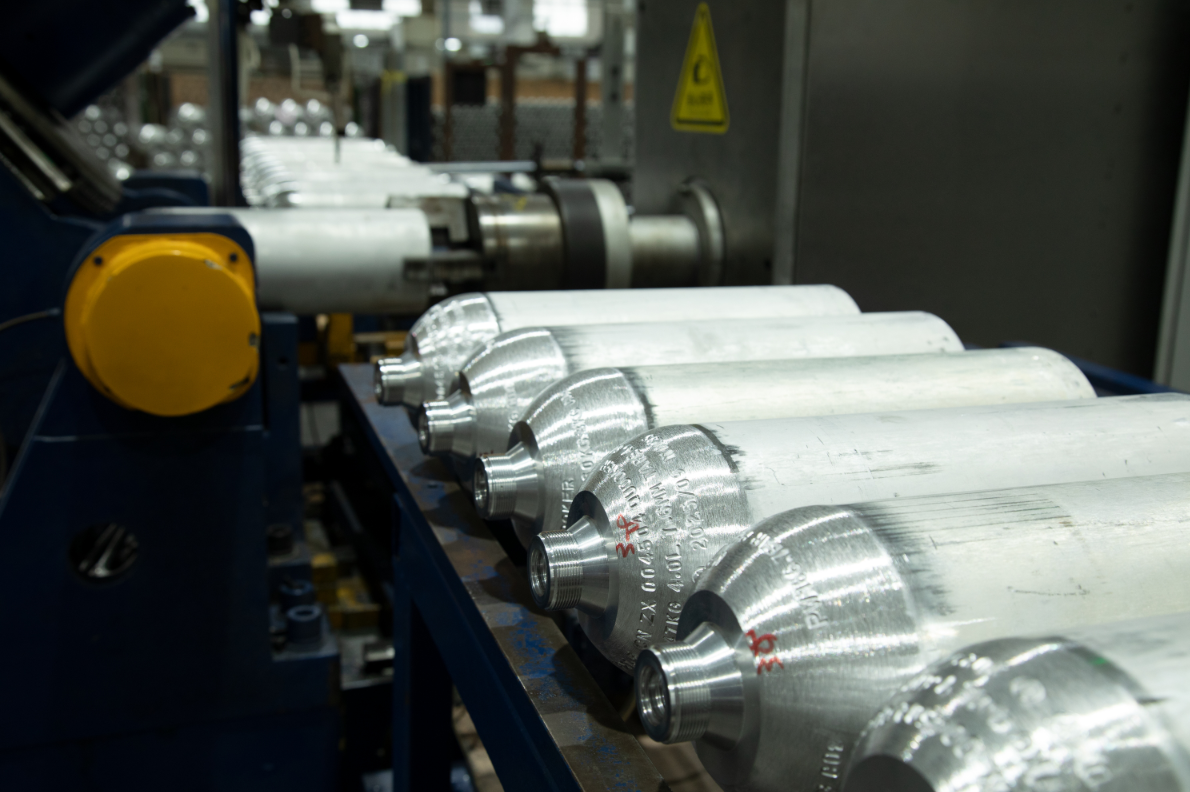
TPED refers to Directive 2010/35/EU on Transportable Pressure Equipment. It applies mainly to transportable pressure equipment, such as gas cylinders and transport tanks used for gases and dangerous goods.
PED refers to Directive 2014/68/EU on Pressure Equipment. It generally applies to stationary pressure equipment and assemblies with a maximum allowable pressure above 0.5 bar.
In simple terms, TPED is mainly related to the transport and use of gas cylinders, while PED is mainly related to stationary pressure equipment. The applicable directive depends on the product design, intended use and target market.
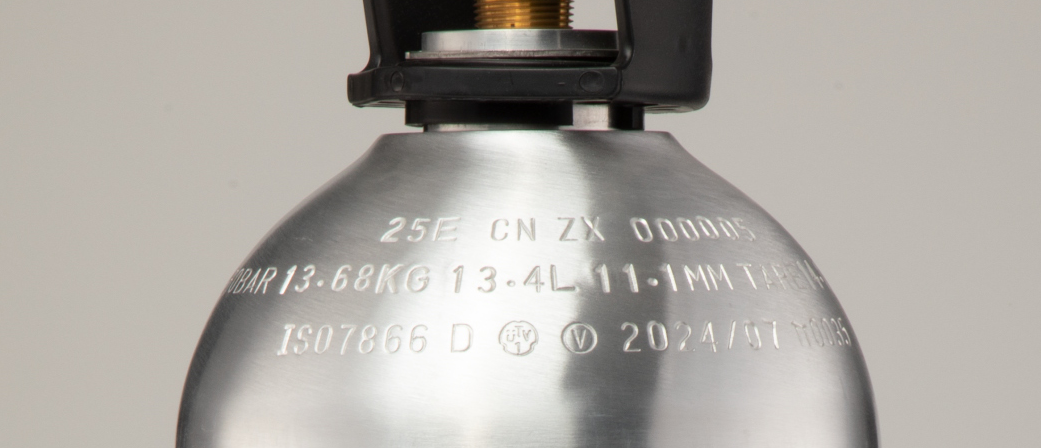
The exact markings depend on the applicable standard and certification requirements. A TPED gas cylinder may typically include:
· Manufacturer identification
· Serial or batch number
· Water capacity
· Working pressure
· Test pressure
· Manufacturing date
· Applicable standard
· Pi mark and notified body identification number
For example, a marking such as π 0035 generally means:
· π: applicable conformity marking for transportable pressure equipment
· 0035: the four-digit identification number of the notified body responsible for the relevant conformity assessment or inspection activity
For gas cylinders covered by TPED, the applicable conformity assessment requirements must be completed before the equipment is placed on the EU market.
The product must also comply with relevant requirements under ADR, the European Agreement concerning the International Carriage of Dangerous Goods by Road. RID requirements may apply when the equipment is transported by rail.
In general, covered equipment must have:
· An approved design and manufacturing process
· The required conformity assessment
· Appropriate inspection and testing records
· Technical documentation and traceability
· The correct conformity marking
Not every pressure cylinder automatically falls under TPED. Certain equipment, such as some breathing apparatus cylinders and fire extinguishers, may be excluded from its scope.
TPED equipment may require periodic inspections, intermediate inspections and exceptional checks after being placed on the market.
Depending on the product and applicable ADR or RID requirements, inspections may include:
· External visual inspection
· Internal inspection
· Examination of the cylinder neck and threads
· Pressure testing
· Valve inspection
· Verification of markings and traceability
There is no single inspection interval for every TPED gas cylinder. The applicable interval may depend on the cylinder design, gas service, pressure rating, capacity and relevant transport regulations.
Cylinder owners, gas companies and filling stations should confirm the inspection requirements for their specific product and market.
The Pi mark is used for applicable transportable pressure equipment placed on the market in the European Union.
The Rho mark is used for applicable transportable pressure equipment placed on the market in Great Britain. Since 1 January 2023, new relevant equipment placed on the Great Britain market generally requires assessment by a GB-appointed body and a Rho mark.
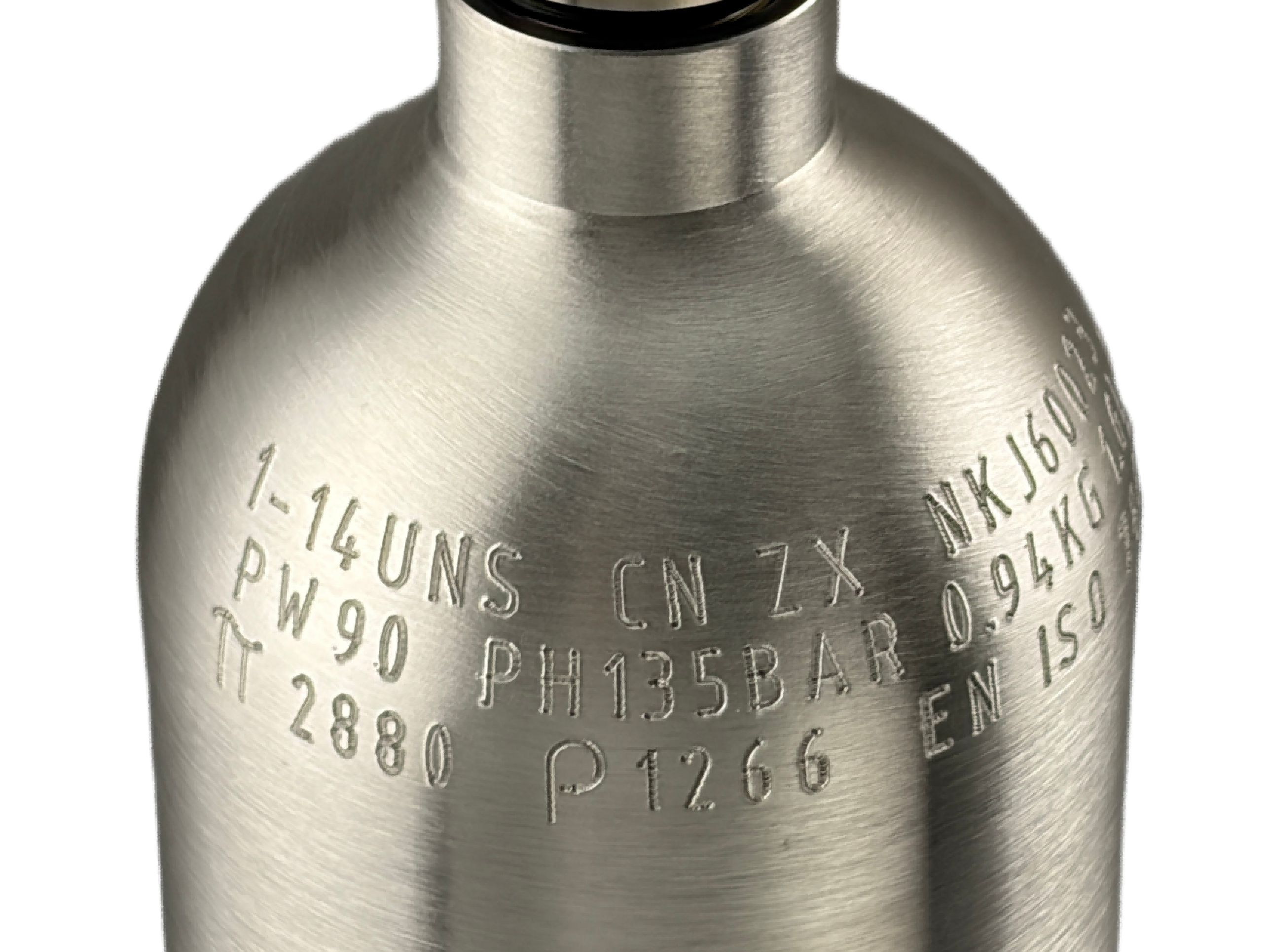
Products intended for both the EU and Great Britain may require dual Pi and Rho marking, depending on the product and applicable regulations. Northern Ireland generally follows the EU TPED framework in relevant cases.
For a new gas cylinder or valve project, ZX generally follows these steps:
· Product design and sample development based on the customer’s requirements.
· Internal verification of the samples and design.
· Customer review and confirmation of the samples.
· Type testing, witnessed by TÜV engineers at the ZX’s own laboratory and facilities.
· Review by TÜV Rheinland of the test reports, certification drawings and related technical documents.
· Issuance of the certification.
The product development period depends on the cylinder design, capacity, pressure, valve connection, tooling and customer requirements. For planning purposes, customers should generally allow approximately 4–6 months for a new TPED gas cylinder project, from product development through certification. The actual timeline may vary depending on the product design, testing schedule and notified body review process.

Whether you start with a drawing, a sample or simply an idea, ZX can help turn it into a production-ready gas cylinder or valve. We support customers with:
· Custom cylinder and valve design, prototyping and validation
· Tailored dimensions, capacities, pressure ratings and thread connections
· Surface finishes, customer markings, colors and packaging
· Cylinder–valve matching for a complete, compatible assembly
· Technical drawings and documentation for product approval
· Support for multiple certifications, including TPED/TPE, PED and DOT
With both cylinder and valve manufacturing in-house, ZX can support your project from the first concept through certification coordination and mass production.
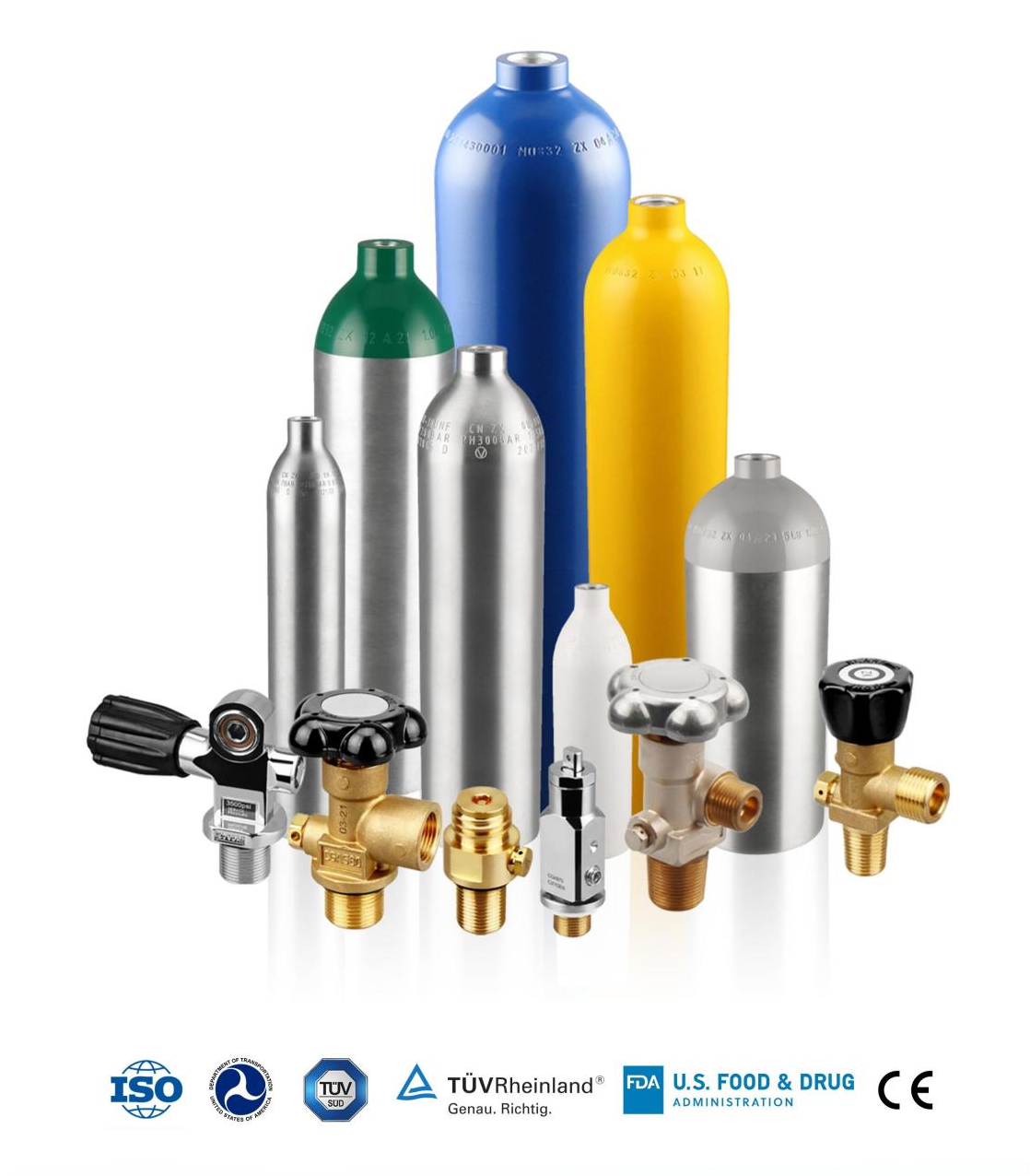
Contact ZX to discuss your new gas cylinder or valve project and identify the applicable certification requirements for your target market.


