
Mishandling a medical cylinder carries immediate operational, regulatory, and life-safety risks. Fines for non-compliance and the physical dangers of pressurized gases demand strict operational protocols from every healthcare provider. Facilities scaling their medical gas infrastructure must align storage and transport solutions with federal and local compliance mandates. These requirements stem directly from OSHA regulations, NFPA codes, and FDA quality standards. Disorganized storage easily triggers severe regulatory penalties. More importantly, improper handling seriously jeopardizes patient safety and staff wellbeing. This guide breaks down the mandatory rules for gas storage and internal transportation within clinical environments. We provide a solid framework for evaluating and selecting compliant storage infrastructure and specialized handling equipment. You will learn exactly how to secure these high-pressure vessels, streamline your daily inventory workflows, and avoid common compliance traps.
Strict Segregation: Full and empty medical cylinders must be clearly separated and labeled to prevent critical errors during patient care.
Physical Security: Cylinders must always be secured upright using approved chains, racks, or cages to prevent tipping and valve damage.
Controlled Environments: Storage areas require specific ventilation, temperature control, and distance from combustible materials to meet OSHA and local EHS regulations.
Purpose-Built Transport: Internal transportation mandates the use of specialized, tested carts; manually dragging or rolling cylinders is a primary source of workplace injury and liability.
Infrastructure Auditing: Selecting storage equipment requires verifying load capacities, material durability, and adherence to healthcare facility codes (like NFPA 99).
Healthcare facilities face immense exposure when they ignore gas handling regulations. The financial cost of non-compliance escalates quickly. OSHA inspectors frequently target poor storage rooms during routine audits. Citations for improper restraints result in heavy financial penalties. Multiple infractions can even force a temporary facility shutdown. Furthermore, insurance companies scrutinize hazard management strictly. They often raise insurance premiums significantly upon discovering substandard storage practices.
Beyond regulatory fines, disorganized storage creates massive operational disruptions. A cluttered gas room directly leads to inventory errors. Nurses might waste critical minutes searching for a full oxygen supply during an emergency. This confusion delays vital patient care. Poor organization also destroys medical gas tracking systems. FDA regulations require strict chain-of-custody protocols for these items. Staff cannot accurately track lot numbers if inventory lacks clear physical organization.
We must also acknowledge the terrifying safety realities of high-pressure vessels. A standard medical cylinder holds extreme internal pressure. If a freestanding vessel tips over, the valve can shear off upon impact. This failure transforms the heavy metal tank into a deadly projectile. It can punch through concrete walls or destroy costly clinical equipment. Protecting your staff from these physical dangers makes robust storage infrastructure completely non-negotiable.
Regulatory Penalties: Immediate OSHA fines and potential facility closures.
Financial Strain: Escalating liability insurance premiums following safety audits.
Clinical Delays: Lost time searching for emergency respiratory supplies.
Physical Danger: Valve shearing risks turning vessels into unguided missiles.
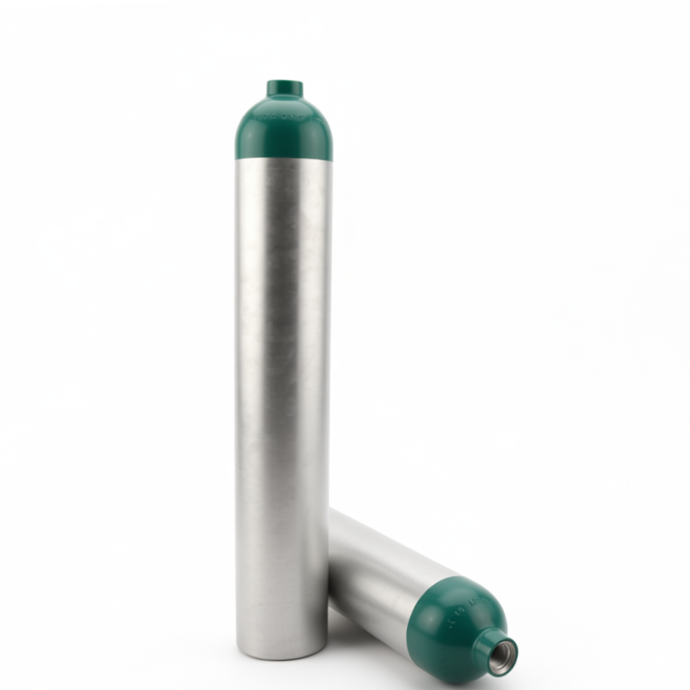
Decision-makers must apply strict evaluation lenses when upgrading their storage infrastructure. You must look beyond simple shelving. Your equipment must actively enforce safety regulations.
Regulations mandate securing every single vessel at all times. You must never leave them freestanding. Proper infrastructure typically involves two-point chaining systems or specialized holding racks. The securing mechanism must contact the vessel at appropriate heights to prevent slipping. Facility managers often fail compliance audits because they rely on improvised restraints. Bungee cords, cheap ropes, and plastic zip-ties completely fail basic risk assessments. They lack verifiable load ratings. They degrade rapidly in clinical environments. Only use approved chains, steel racks, or engineered cages.
Clinical confusion breeds critical patient care errors. Staff must know the gas status immediately. Segregation rules require clear demarcation between "Full," "In Use," and "Empty" supplies. You must physically divide these distinct categories. Relying solely on paper neck tags invites human error. Instead, source storage solutions that physically enforce this necessary separation. Install separate cages or clearly partitioned racks. Color-coded storage zones help staff identify inventory status at a glance.
Temperature controls and spacing rules matter immensely for gas safety. OSHA 1926.350 baseline principles dictate strict spatial boundaries. You must maintain specific required distances between pressurized gases and hazardous elements. Storage areas require dry, well-ventilated conditions. Moisture invites valve corrosion. Poor ventilation allows leaked gas to pool dangerously in confined spaces.
| Hazard Element | Minimum Spacing / Requirement | Safety Rationale |
|---|---|---|
| Electrical Fixtures | Keep clear of direct contact areas | Prevents accidental arcing or sparking near valves. |
| Heat Sources | Minimum 20 feet away | Prevents internal pressure from exceeding safe limits. |
| Combustible Materials | Minimum 20 feet or a fire-wall barrier | Reduces fire acceleration risks during an emergency. |
| Ventilation | Continuous air exchange required | Disperses leaking gases before they reach toxic levels. |
We must transition our focus from static storage to dynamic handling. Moving a medical cylinder introduces entirely new risks. Evaluating the specialized tools used for this movement is critical.
Internal transportation mandates the strict use of purpose-built, approved carts. You must carefully evaluate specific criteria when selecting transport carts. Look for a wide, stable wheel base to prevent tipping during sharp turns. Ensure the cart features integrated, heavy-duty securing straps. The construction should utilize non-sparking materials whenever possible. Safety policies universally prohibit manually rolling or "churling" vessels on their bottom edges. You must never drag them across the floor. Most importantly, never lift or carry them by the protective valve cap. These improper actions remain primary sources of severe workplace injuries.
Navigating high-traffic clinical areas demands strict operational policies. You cannot compromise patient safety during routine inventory transfers. Establish clear routing policies for your supply staff. Designate specific freight elevators for gas transport whenever possible. Avoid moving bulk supplies during peak clinical shift changes. This strategic scheduling minimizes public exposure to physical impact risks.
Common Mistakes to Avoid in Transportation:
Leaving a vessel unsecured on a cart while opening doors.
Using standard utility carts instead of specialized gas handlers.
Transporting multiple loose vessels horizontally on flatbed trolleys.
Allowing untrained administrative staff to move heavy oxygen supplies.
Overlapping jurisdictions govern healthcare infrastructure procurement. You must understand these regulatory frameworks to make compliance-aware purchasing decisions.
First, OSHA standards dictate the baseline for general industry safety. Their specific facility management rules strictly govern compressed gases. OSHA inspectors enforce physical restraint requirements, spacing rules, and employee hazard training. Failing to meet OSHA baselines invites immediate financial citations.
Next, NFPA 99 serves as the definitive Health Care Facilities Code. This code specifically governs medical gas and vacuum systems. It outlines exact material requirements for storage rooms. NFPA 99 dictates ventilation rates, fire resistance ratings for walls, and specific electrical requirements within gas storage zones. Any infrastructure upgrade must directly align with NFPA 99 codes.
Finally, FDA regulations treat medical gases as actual prescription drugs. This classification requires specialized handling procedures. The storage area must support strict chain-of-custody protocols. You must track lot numbers meticulously. A disorganized storage room makes FDA compliance completely impossible. Therefore, your physical infrastructure must facilitate clear tracking and batch separation.
Procurement teams need a reliable decision framework when upgrading infrastructure. Shortlisting vendors for storage racks, cages, and transport carts requires careful scrutiny. You must verify equipment quality before issuing any purchase orders.
Demand verifiable load ratings from your equipment vendors. Ask for explicit material specifications. For example, compare powder-coated steel against heavy-duty aluminum. Steel offers superior durability for bulk storage cages. Aluminum provides lighter, ergonomic handling for transport carts. Vendors must provide actual testing data confirming their equipment handles specific weight loads safely.
You must also assess customization options. Evaluate whether your facility needs custom-built storage cages or standard modular racks. Tight architectural footprints often require custom fabrication.
| Infrastructure Type | Primary Advantage | Ideal Use Case | Limitation |
|---|---|---|---|
| Standard Modular Racks | Cost-effective and quick to deploy. | Large, open warehouse-style storage rooms. | May waste space in irregularly shaped rooms. |
| Custom-Built Cages | Maximizes specific spatial footprints. | Tight hallways or retrofitted hospital closets. | Longer lead times and higher initial costs. |
| Wall-Mounted Chains | Minimal floor space usage. | Single-use patient rooms or small clinics. | Cannot secure bulk inventory efficiently. |
Look deeply into vendor trustworthiness. Avoid suppliers who just want to move metal. Look for partners who actively reference regulatory standards in their product designs. They should offer expert compliance consultation alongside their hardware.
Use this shortlisting logic when evaluating potential providers:
Does the equipment fully meet NFPA 99 structural requirements?
Are the transport carts ergonomically designed to reduce staff strain?
Does the vendor provide transparent warranty terms for moving parts?
Can they provide independent load-testing certifications?
Do they offer distinct solutions for segregating full and empty supplies?
Proper storage and transportation of any medical cylinder demands a comprehensive approach. It requires a seamless blend of strict staff training and purpose-built infrastructure. You cannot guarantee safety using improvised restraints or outdated utility carts. Adhering to OSHA, NFPA, and FDA guidelines protects your facility from fines. More importantly, it protects your clinical staff and patients from catastrophic physical hazards.
Your next step is proactive evaluation. Conduct a localized EHS audit of your current storage rooms immediately. Assess all your transport carts for hidden wear, tear, and compliance failures. Look closely at your securing chains and segregation signage.
We strongly recommend initiating an evaluation of your facility's current storage systems today. Do not wait for a failed audit or an unfortunate accident. Consult with a certified medical gas equipment provider to design a compliant, efficient infrastructure upgrade.
A: You must always secure them upright. Use purpose-built racks, engineered cages, or strong wall-mounted chains. The restraints should hold the vessel securely at the upper and lower sections. Never use bungee cords, thin ropes, or improvised straps. They must never be left freestanding under any circumstances.
A: Yes, they can share the same general storage room. However, they must be physically separated. You must use clear signage and distinct physical barriers to designate "Full" and "Empty" sections. This strict segregation prevents clinicians from grabbing an empty supply during a medical emergency.
A: Yes. You must generally keep storage areas below 125°F (52°C). Protect all pressurized vessels from direct, continuous sunlight. You must also shield them from extreme winter weather or ice accumulation. Rapid temperature fluctuations can damage sensitive valve mechanisms or cause dangerous pressure spikes.
A: Over-the-road transport falls under strict Department of Transportation (DOT) regulations. The DOT requires specific vehicle placarding, shipping papers, and specialized securement inside the truck. Internal facility transport simply follows OSHA guidelines. You must always distinguish between public road rules and internal hospital transport protocols.

