
Life-saving medical treatments rely heavily on safe and precise gas delivery. Imagine a chaotic emergency room where every second counts. A paramedic reaching for an oxygen tank needs absolute certainty that the equipment will function flawlessly without catastrophic failure. Do you know how this vital gas is controlled?
Choosing the wrong component risks patient safety. Severe equipment failures happen in the blink of an eye. In this comprehensive guide, you will learn the intricacies of these essential devices. We cover their internal mechanics, critical safety features, and the best practices for procurement and maintenance.
A medical gas cylinder valve is a highly specialized control device designed to safely manage the release of pressurized gases from a storage cylinder to a patient delivery system or medical device.
Unlike standard industrial alternatives, medical valves are manufactured under significantly stricter cleanliness and safety protocols to prevent cross-contamination and the risk of combustion.
Specific medical gases require highly specific valve connections. Systems like the Pin Index Safety System are engineered to ensure that an oxygen regulator cannot be accidentally attached to a medical air or nitrous oxide cylinder.
Modern valves frequently incorporate advanced integrated safety mechanisms, including Residual Pressure Valves and Pressure Relief Devices, which protect both the equipment and the end-user.
Selecting the appropriate hardware for a healthcare facility requires a comprehensive understanding of regional and international regulatory standards, such as those established by the Compressed Gas Association, the International Organization for Standardization, or the Deutsches Institut für Normung.
To maintain a secure clinical environment, healthcare professionals must deeply understand the hardware they rely on daily. A medical gas cylinder valve serves as the primary gateway and control mechanism between a highly pressurized storage tank and the external environment. Its fundamental role is to start, stop, and meticulously regulate the flow of critical gases. These include oxygen, nitrous oxide, and medical air. The ultimate goal is ensuring they reach the patient at the exact required time and volume.
Looking at recent industry shifts, the medical gas equipment sector is rapidly evolving toward smart integration and enhanced ergonomics. Market analysis indicates a growing demand for valves equipped with digital pressure monitoring and integrated IoT tracking capabilities. Hospital facility managers can now monitor gas levels in real-time. This significantly reduces the risk of a cylinder running empty during critical patient transport. Furthermore, the push for lightweight and corrosion-resistant alloys is transforming manufacturing processes. The industry is prioritizing both portability for emergency medical services and extreme durability under harsh conditions.
In practical terms, distinguishing between medical and industrial variants is crucial. While they may appear mechanically identical to the untrained eye, medical-grade components undergo rigorous oxygen cleaning processes during manufacturing and maintenance. This specialized decontamination removes all traces of hydrocarbons like machining oils, greases, and microscopic particulate matter. Under extreme pressure, even a minuscule drop of standard lubricating oil acts as fuel. It can lead to spontaneous ignition or a violent explosion when exposed to pure oxygen. Therefore, the reliability of these components cannot be overstated. They are a critical piece of life support infrastructure.
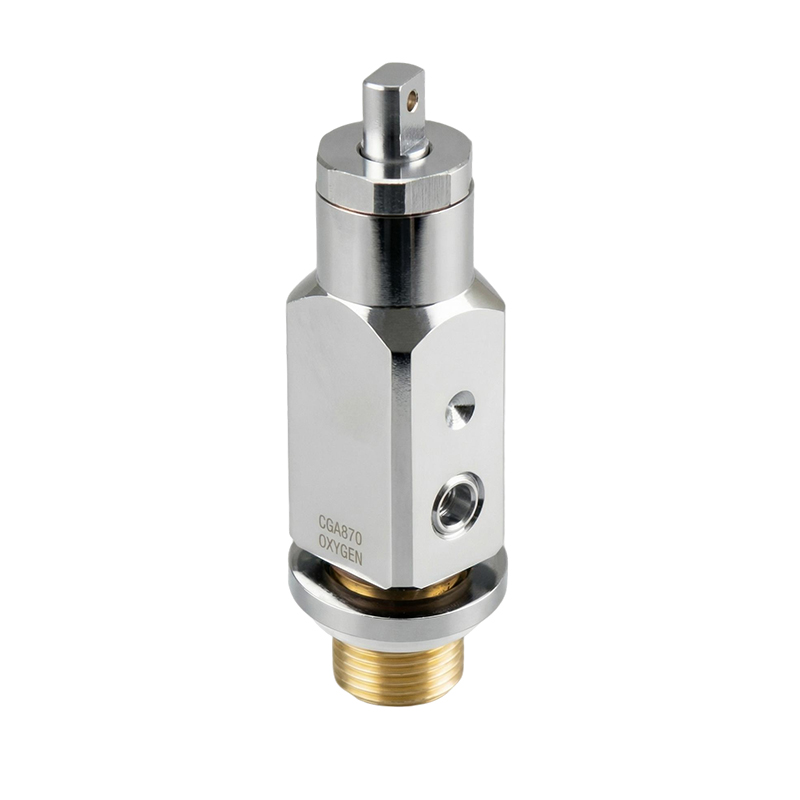
Understanding the internal mechanics helps facility managers and biomedical technicians appreciate the precision engineering involved in respiratory therapy. At its core, the assembly consists of several primary components. These include the handwheel or toggle, the internal spindle, the valve seat, and the outlet connection.
When a respiratory therapist or nurse turns the handwheel, it rotates the internal spindle. This action smoothly lifts the valve seat away from the internal orifice. Once opened, highly pressurized gas rushes out of the cylinder. Tanks often store gas at a staggering 2,000 to 3,000 pounds per square inch. Because this immense pressure is far too forceful for direct patient application, the gas flows through the outlet and immediately into an attached pressure regulator. This secondary device steps the pressure down to a safe and usable level, typically around 50 pounds per square inch for standard hospital ventilators.
Specifically, sealing technology plays a critical role in functionality. To prevent high-pressure leaks around the stem or connection points, manufacturers utilize specialized O-rings and advanced polymer seals. Materials like PTFE, Teflon, or specific medical-grade Nylon are common. Engineers select these materials not only for their resilience against extreme pressure gradients but also for their strict chemical compatibility. They are engineered to ensure they will not degrade or release toxic byproducts into the patient's breathing circuit over time.
The healthcare industry utilizes various cylinder sizes and delivery methods. This necessitates distinct architectural designs. Understanding these key types is essential for proper equipment procurement and facility management.
The traditional standard handwheel design is predominantly found on large stationary tanks like M, H, or J sizes. Stored in hospital supply rooms or connected to central manifold systems, these require the user to manually open the flow and attach a separate external pressure regulator. Consequently, because these cylinders hold massive volumes of high-pressure gas, the standard valve is built for heavy-duty and long-term durability rather than portability.
For smaller portable units, the industry relies on yoke-style connections equipped with the Pin Index Safety System. You will find these widely used E-cylinders on wheelchairs, stretchers, and in ambulances. This ingenious system features a highly specific configuration of holes drilled into the body. The attached regulator must have pins that perfectly align with these holes. Because the pin placement is mathematically unique to each specific gas, attaching a regulator intended for one substance to a cylinder containing another is physically impossible. This virtually eliminates the risk of fatal mix-ups.
A significant modern advancement in respiratory care is the widespread adoption of Valves with Integrated Pressure Regulators, commonly known as VIPRs. These devices combine the cylinder control, the pressure regulator, and the flow selector dial into a single unified component. In practical terms, VIPRs eliminate the need for paramedics to manually attach heavy brass regulators during high-stress emergencies. They are highly convenient and reduce the risk of lost or damaged equipment. They are rapidly becoming the gold standard for emergency transport, ambulatory care, and home oxygen therapy.
Patient safety and facility security are the driving forces behind modern engineering. Over the decades, several critical safety features have been standardized across the globe to mitigate human error and mechanical failure.
The most severe risk in administration is delivering the wrong substance to a vulnerable patient. To prevent this, regulatory bodies have established strict cross-connection safety protocols. Beyond the Pin Index Safety System for small tanks, large cylinders utilize specific threading standards. For instance, the threading on an oxygen connection is dimensionally incompatible with the threading required for a medical air regulator. This physical barrier ensures that equipment cannot be improperly connected.
Gases expand rapidly when exposed to heat. If a tank is caught in a facility fire or left in an overheated environment, the internal pressure can spike to catastrophic levels. This could potentially cause the metal casing to rupture explosively. To counteract this, these devices are equipped with Pressure Relief Devices. The most common type is a rupture disc or burst disc. If the internal pressure exceeds a predetermined safety threshold, the disc intentionally fails. It safely vents the contents into the atmosphere and neutralizes the explosion risk.
Contamination is a subtle but serious threat to gas purity. When a tank is completely emptied and left open, ambient air, moisture, and airborne pathogens can seep inside. To combat this, modern designs often incorporate Residual Pressure Valves. A Residual Pressure Valve utilizes a specialized spring-loaded mechanism that automatically closes off the flow when the internal pressure drops to a low level, typically around 15 to 50 pounds per square inch. By retaining this small amount of positive pressure, the valve ensures that the interior is never truly empty. This prevents external contaminants from entering before the next refill.
While both are used in respiratory therapies, they are fundamentally different substances requiring distinct handling protocols and architectural designs.
Pure oxygen is a powerful oxidizer. While not flammable itself, it drastically accelerates the combustion of other materials. This extreme risk dictates the strict design of the medical oxygen valve. Engineers construct these from specific non-sparking materials, predominantly brass, to prevent ignition during accidental physical impact. For example, the MDC Series features a robust forged brass body with a nominal working pressure of 15MPa to 20MPa, ensuring absolute stability under high-stress oxygen delivery. Furthermore, they are subjected to the most rigorous oxygen-cleaning standards in the industry. In North America, standard connections include the CGA 540 for large stationary tanks and the CGA 870 for small portable units.
In contrast, medical air is a clean, dry, and compressed mixture of nitrogen and oxygen used primarily for driving pneumatic medical equipment. It is also used for specific respiratory therapies where pure oxygen is clinically contraindicated. A medical air valve is engineered with completely different connection standards. The MDD Series, designed specifically for medical air applications, utilizes CGA 346 for large tanks or CGA 860 for portable units, operating safely at 15MPa. This intentional design difference is a critical safety measure. It ensures that a patient who requires a specific controlled concentration of blended air is never accidentally administered 100 percent pure oxygen.
| Feature | Medical Oxygen Valve | Medical Air Valve |
|---|---|---|
| Gas Composition | 100 percent pure oxygen | Compressed Air, approximately 21 percent oxygen and 79 percent nitrogen |
| Primary Safety Risk | Accelerated combustion and fire | Particulate or moisture contamination |
| Large Cylinder Standard US | CGA 540 | CGA 346 |
| Small Cylinder Standard US | CGA 870 Pin Index | CGA 860 Pin Index |
| Material Requirements | Strictly non-sparking, rigorously oxygen-cleaned | Corrosion-resistant, medically clean |
The manufacturing process is highly regulated, leaving absolutely no room for material flaws or substandard engineering. The materials chosen must withstand years of high-pressure cycling, physical impacts, and constant exposure to reactive elements.
The undisputed industry standard material is brass. Specifically, manufacturers utilize forged brass or chrome-plated brass for three primary reasons. It possesses excellent structural durability under immense stress. It is highly resistant to corrosion and oxidation. Most importantly, it is a non-sparking metal. In an oxygen-enriched environment, a stray spark from a dropped steel component could be catastrophic. Brass effectively eliminates this specific ignition risk.
In addition, these products must comply with stringent global regulatory standards to be legally deployed in healthcare facilities. Key standards include ISO 10297, which specifies design and type testing requirements. The CGA V-9 standard details performance specifications in North America. CE Marking and FDA Requirements classify these devices as medical devices, mandating rigorous quality assurance before patient care utilization.
The operational integrity of these components is non-negotiable. Because they regulate highly pressurized life-sustaining elements, any mechanical failure or contamination can lead to catastrophic outcomes. Implementing a rigorous evidence-based maintenance and inspection protocol is essential for healthcare facilities and emergency medical services providers.
Before a cylinder is attached to a patient delivery system, the hardware must undergo a strict visual and functional inspection. Technicians should look for physical deformation like dents or bent spindles. A dropped cylinder can cause hairline fractures in the forged brass body. The gas outlet must be pristine. Check the threads or the Pin Index yoke for stripped metal, burrs, or debris. Once slowly opened, operators should listen carefully for any hissing sounds indicating a compromised seal or micro-leak.
One of the most critical safety mandates in respiratory therapy is the strict prohibition of standard lubricants. Users must never apply standard oils, greases, or hydrocarbon-based sprays to oxygen equipment. When high-pressure oxygen is released, it passes through narrow internal orifices. If opened too quickly, the sudden compression generates intense heat through adiabatic compression. Temperatures can spike to over 1,000 degrees Fahrenheit in a fraction of a second. If even a microscopic trace of hydrocarbon oil is present on the threads, this heat will cause the lubricant to ignite spontaneously. In a pure oxygen environment, this ignition acts like a blowtorch, melting the brass and causing a violent localized explosion.
These devices are not designed to last forever. Their lifespan is closely tied to the regulatory testing cycle of the cylinder itself. In most global jurisdictions, cylinders must undergo hydrostatic testing every five to ten years. During this mandatory safety audit, the existing hardware is removed from the tank. Industry best practices heavily favor complete replacement over field repairs. Replacing the unit ensures that the internal O-rings, safety burst discs, and spindle threads are factory-new and fully compliant with current ISO and CGA standards.
| Maintenance Phase | Frequency | Action Required | Personnel Responsible |
|---|---|---|---|
| Pre-Use Inspection | Before every use | Visual check for damage, debris, and correct gas labeling. Ensure no oil or grease is present. | Nurses, Respiratory Therapists, EMS Staff |
| Empty Cylinder Check | Post-use and Pre-refill | Close valve tightly. Leave slight residual pressure to prevent moisture ingress. | Medical Staff and Logistics |
| Refill Inspection | At every refill cycle | Inspect threads, replace yoke washers, verify Pressure Relief Device functionality. | Certified Gas Supplier |
| Hydrostatic Audit | Every 5 to 10 years | Remove hardware, perform cylinder pressure test. Install a brand-new or factory-rebuilt unit. | Authorized Testing Facility |
Procuring the correct equipment requires a deep understanding of respiratory specifications, regional regulatory frameworks, and specific clinical applications. A mismatch between a cylinder, a valve, and a regulator is a severe safety hazard. When selecting reliable hardware, facility procurement teams and medical engineers must evaluate several critical criteria to ensure optimal performance and patient safety.
The fundamental rule of medical gas equipment is that the gas type dictates the entire architecture of the hardware. If you are sourcing equipment for oxygen therapy, you must purchase a dedicated oxygen-specific model. Conversely, an air system will feature entirely different threading or a different pin index configuration. This ensures that a nurse cannot accidentally connect a patient requiring pure oxygen to a cylinder containing medical air.
The bottom inlet must perfectly match the internal threads of the cylinder neck. Forcing a mismatched connection will destroy the threads and create a lethal projectile hazard when pressurized. Common inlet thread standards include PZ27.8, 3/4 NGT which is widely used in North America, and 25E metric taper threads which are standard in European markets.
Buyers must evaluate how the unit will be used in the clinical environment. Large cylinders stored in central supply rooms typically require standard handwheel designs. These are robust, simple, and connect to heavy-duty wall-mounted pressure regulators. However, for portable transport like ambulances and wheelchairs, buyers are increasingly shifting toward integrated regulators. A combined unit saves critical seconds during an emergency.
Never compromise on the origin and certification of medical equipment. Reliable manufacturers provide full traceability for their products, including material certificates and batch testing reports. Ensure the products comply with recognized global standards and hold valid CE Marking or FDA Registration. This validates that the product is legally recognized as a safe medical device for human healthcare applications.
A medical gas cylinder valve is a highly engineered life-saving component that prioritizes patient safety, gas purity, and precise pressure control. Understanding the vital distinctions between oxygen and medical air configurations is paramount to maintaining a secure healthcare environment and preventing fatal errors in busy clinical settings.
Facility managers and procurement officers should proactively consult with certified medical gas equipment suppliers to audit their current inventory. If you are looking to upgrade your facility's respiratory infrastructure with compliant, high-quality replacement models, explore the professional solutions at https://www.zxhpgas.com to find the exact specifications tailored to your clinical needs. Ensure your equipment remains robust, reliable, and ready for any emergency.
No, you absolutely cannot use an industrial valve for medical applications, even if the threading appears to fit. While the oxygen gas itself might share similar chemical properties, a medical-grade component undergoes highly specialized and strictly regulated manufacturing and cleaning processes. Industrial valves are often machined using standard cutting oils and may retain microscopic hydrocarbon residues. In a medical setting, where oxygen is frequently administered at high flow rates and pressures, these residues pose an extreme risk of spontaneous combustion. Furthermore, medical devices must comply with stringent FDA or CE regulations to ensure they do not introduce particulate matter or chemical contaminants into a patient’s respiratory system.
The Pin Index Safety System is a globally recognized and foolproof mechanical safety mechanism used primarily on small portable medical gas cylinders, such as sizes A through E. Its primary purpose is to eliminate human error during the high-stress attachment of gas regulators. The valve features two specific holes drilled into its face, and the corresponding medical regulator features two protruding metal pins. The placement of these pins and holes is completely unique to the specific type of gas. Because the pins will only align with the correct holes, it is physically impossible to attach an oxygen regulator to a nitrous oxide or medical air cylinder.
With meticulous care, proper handling, and a clean environment, these components can function reliably for many years. However, their practical lifespan is dictated by regulatory maintenance schedules. By law, compressed gas cylinders must undergo hydrostatic testing at specific intervals, typically every five to ten years depending on the cylinder material and regional laws. During this mandatory testing, the hardware must be removed. Industry safety standards strongly recommend that they be completely overhauled with new internal components or replaced entirely with a brand-new unit at this time. If a unit is dropped, shows signs of thread wear, or fails a leak test, it must be retired and replaced immediately regardless of its age.
Medical air equipment is intentionally designed to look and function differently from oxygen equipment to protect patients from fatal gas mix-ups. Regulatory bodies require distinct physical differences between gas delivery systems. First, the mechanical connections are entirely different. A medical air system will use specific threading or a specific pin index layout that physically rejects oxygen equipment. Secondly, there are strict color-coding standards. These visual and mechanical differences ensure that a patient relying on a precise mixture of medical air is never accidentally given pure oxygen.
The term oxygen clean refers to a rigorous multi-step decontamination process that a component must undergo before it is certified for medical oxygen use. Because high-pressure oxygen violently accelerates combustion, even a speck of dust, a fingerprint, or a microscopic drop of machine oil can ignite and cause the unit to explode. To achieve an oxygen clean status, the components are washed in specialized non-combustible solvent baths, often using ultrasonic waves to remove deeply embedded particulates. After washing, they are dried in a controlled environment and meticulously inspected under ultraviolet blacklight. Only when proven to be completely free of combustible contaminants are they assembled, sealed in protective packaging, and certified for medical use.
To open a medical gas cylinder safely, you must always use a slow and controlled motion. First, ensure the attached regulator is turned to the off position. Stand to the side of the regulator rather than directly in front of the pressure gauge. Using the appropriate wrench or handwheel, slowly crack the valve open just enough to let the gas pressurize the regulator gradually. Once the pressure gauge needle stops moving, you can open the valve completely, and then turn it back a quarter-turn to prevent it from locking in the open position. Opening it too quickly can cause adiabatic compression, generating intense heat that could ignite any microscopic contaminants present.
The standard full pressure for a typical medical oxygen cylinder, such as an E-cylinder or H-cylinder used in the United States, is approximately 2,000 to 2,200 pounds per square inch at room temperature. In metric systems, this translates to about 137 to 150 bar, or 13.7 to 15 MPa. Because this pressure is dangerously high for direct use, a medical regulator must always be attached to step the pressure down to a safe delivery level, which is typically 50 pounds per square inch for standard medical equipment and flow meters.


