
Selecting the correct gas delivery equipment goes far beyond basic operational efficiency. It is a literal life-saving decision. Think about a chaotic emergency room for a moment. In those split seconds of a patient crisis, a physical mechanical safeguard preventing the wrong gas connection is the only barrier standing between routine respiratory care and a fatal incident. Medical facilities utilize a complex variety of gases. Oxygen, medical air, nitrous oxide, and carbon dioxide all flow through the same buildings. Consequently, delivery systems are strictly engineered with gas-specific safety mechanisms to absolutely prevent cross-connection errors.
Whether you are a hospital procurement officer, an equipment manufacturer, or a facility manager, grasping the granular technical nuances of component selection is essential. You cannot afford a micro-leak or a mismatched thread. This comprehensive guide walks you through the exact engineering criteria for choosing the appropriate control mechanisms. We will cover everything from gas-specific indexing and safety standards to advanced features like integrated regulators and residual pressure maintenance.
Safety Systems are Mandatory: Always select equipment that complies with strict gas-specific indexing systems. Use the Pin Index Safety System for small portable cylinders and CGA threaded standards for large bulk cylinders.
Zero Cross-Compatibility: A unit designed for oxygen cannot physically attach to an air cylinder. Each gas type requires a unique, standardized connection to prevent catastrophic mixing.
Material Quality Dictates Lifespan: Opt for high-grade forged brass or chrome-plated brass. These materials ensure long-term durability, internal corrosion resistance, and high-pressure tolerance without introducing sparking risks.
Advanced Features Improve Patient Care: Consider Residual Pressure Valves or integrated regulator designs. These protect cylinder internal purity and drastically cut down setup time during emergencies.
Strict Regulatory Compliance: Ensure your selected units rigorously meet regional and international standards. Look for ISO 10297, CGA V-1, and relevant medical device directives.
The main cylinder control valve serves as the primary gatekeeper. It stands between the highly pressurized contents stored within a heavy metal cylinder and the delicate patient delivery circuit. Medical gases are often stored at extreme pressures, frequently exceeding 2,000 pounds per square inch. The valve safely contains this immense internal force. It allows healthcare professionals to release the gas in a controlled, deliberate manner into a pressure regulator. That regulator subsequently reduces the flow to a safe, breathable level for patient respiration or for driving surgical tools.
Historically, the absence of standardized connections led to tragic medical errors. Patients were mistakenly administered hypoxic mixtures or incorrect anesthetics simply because a hose fit where it should not have. To permanently eliminate this risk, engineering standards bodies developed precise gas-specific mechanical indexing systems. Consequently, a regulator designed for one specific gas physically cannot be attached to a cylinder containing a different gas. This ingenious mechanical barrier effectively removes human error from the equation during high-stress clinical interventions.
Understanding the physical construction aids in proper procurement and routine maintenance. The core components start with the handwheel or toggle. This controls the opening and closing of the gas flow. Below this sits the main forged body. From an engineering standpoint, this is typically forged from high-tensile brass to withstand extreme internal pressures without structural deformation. The inlet thread connects securely to the neck of the cylinder, utilizing specific tapers and requiring precise torqueing. Conversely, the outlet connection serves as the interface where the pressure regulator attaches. Finally, a built-in Pressure Relief Device, such as a burst disc or fusible plug, prevents catastrophic rupture in the event of severe over-pressurization or thermal exposure.
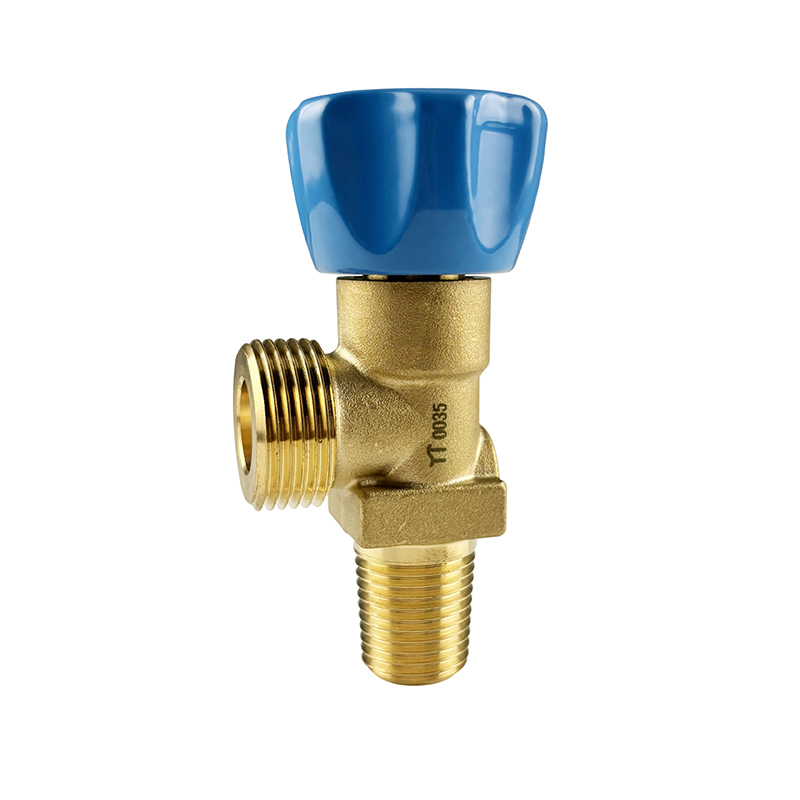
To make rapid procurement decisions, engineers and facility managers rely on standardized indexing. Here is a core comparison of the primary safety systems and color codes you must know.
| Gas Type | Small Cylinder Standard | Large Cylinder Standard | US Color Code | EU Color Code |
|---|---|---|---|---|
| Medical Oxygen | Pin Index 2-5 | CGA 540 | Green | White |
| Medical Air | Pin Index 1-5 | CGA 346 | Yellow | White/Black Quarters |
| Nitrous Oxide | Pin Index 3-5 | CGA 326 | Blue | Blue |
| Carbon Dioxide | Pin Index 1-6 | CGA 320 | Gray | Gray |
The Pin Index Safety System is the universally accepted standard for small, portable medical cylinders, typically designated as Sizes A through E. This system relies on strict mechanical alignment. The valve face features two specific holes drilled at exact positions. Meanwhile, the corresponding gas regulator features two protruding metal pins. If the pins on the regulator do not perfectly align with the holes, the connection cannot be made, and gas will not flow. For instance, the pin configuration for oxygen is universally set at positions 2 and 5, whereas the configuration for medical air is set at 1 and 5.
In contrast, larger stationary cylinders—such as Sizes F, G, H, and bulk tanks—utilize Compressed Gas Association threaded standards. Unlike the pin system, CGA standards rely on specific thread diameters, thread pitches, and turning directions. For example, oxygen utilizes a right-hand thread, while many flammable or toxic gases utilize a left-hand thread. This mechanical differentiation ensures that a high-volume air regulator cannot be inadvertently threaded onto a high-volume oxygen tank.
Oxygen is the most frequently administered medical gas. It is utilized in nearly every department of a healthcare facility, from the operating theater to the neonatal intensive care unit. Because oxygen is a powerful oxidizer, it significantly lowers the ignition temperature of combustible materials. Therefore, selecting a highly engineered medical oxygen valve is paramount. A poorly machined component can lead to fire hazards associated with adiabatic compression, a phenomenon where rapid pressurization generates immense heat.
Procurement specialists must match the specification to the cylinder size and intended clinical application. Portable cylinders require a CGA 870 connection, strictly adhering to the Pin Index 2-5 configuration. On the other hand, high-capacity cylinders utilized for manifold systems require a CGA 540 threaded connection. When evaluating top-tier products like the MDC Series, you should look for a nominal working pressure of 15 MPa or 200 bar. The body must be constructed from premium forged brass, ensuring absolute structural integrity under continuous high-pressure cycling.
Every unit intended for oxygen service undergoes a rigorous cleaning process during manufacturing. This specialized procedure removes all microscopic traces of hydrocarbon-based machining oils, grease, and particulate matter. If a component is not certified as oxygen-clean, the introduction of high-pressure gas could cause residual oils to spontaneously ignite. This leads to a catastrophic internal fire that can destroy the delivery system and endanger lives.
Medical air is not simply ambient room air pulled from the hallway. It is a precisely manufactured, ultra-clean, dry, and compressed gas mixture. It contains approximately 21 percent oxygen and 79 percent nitrogen. Most importantly, it is entirely free of particulate contamination, oil vapor, and excess moisture. Clinicians primarily use it for respiratory therapy, patient ventilation, and as a driving force for pneumatic surgical instruments.
Just as with oxygen, these delivery mechanisms are strictly governed by gas-specific indexing to prevent administration errors. Portable cylinders must be equipped with a specific medical air valve featuring the CGA 950 standard, utilizing the Pin Index 1-5 configuration. Stationary cylinders require a CGA 346 threaded connection. By utilizing robust models like the MDD Series, facilities ensure physical incompatibility with oxygen or nitrous oxide regulators. This prevents a disastrous scenario where a patient requiring supplemental oxygen is mistakenly given air. Conversely, it prevents pure oxygen from being routed into pneumatic surgical tools designed to be driven safely by standard air.
When selecting equipment for this specific gas, the intended application dictates the required flow dynamics. Setups used for patient respiration via ventilators require steady, highly regulated flow rates. In contrast, units supplying pneumatic power to orthopedic surgical drills must accommodate sudden, high-volume flow demands. The internal seat and orifice must be engineered to handle these spikes without experiencing pressure drops or internal freezing.
When analyzing recent search data and industry reports regarding gas delivery components, a clear technological shift is emerging. Hospital procurement is moving rapidly away from traditional standalone brass units. Instead, the market heavily favors Valves with Integrated Pressure Regulators, commonly known as VIPRs. This transition is driven by a critical need to reduce setup times during acute patient crises. Furthermore, modern trends highlight the integration of digital pressure gauges and IoT-enabled monitoring. Facility managers now want real-time data on cylinder fill levels transmitted directly to central nursing stations. This smart-valve approach drastically reduces the logistical burden of tracking empty cylinders and minimizes the risk of a patient running out of gas during transport.
While oxygen and air dominate hospital usage, several other specialty gases require equally rigorous procurement protocols to ensure operational safety.
Nitrous oxide is widely used in operating rooms and dental clinics for its anesthetic and analgesic properties. Because it is stored as a liquefied compressed gas, the internal mechanisms must be designed to handle potential phase changes. Rapid discharge can cause freezing temperatures. Small cylinders require CGA 910 with Pin Index 3-5, while large cylinders require CGA 326.
In modern medicine, carbon dioxide is primarily utilized for insufflation. Surgeons use it to inflate body cavities during laparoscopy and other minimally invasive surgical procedures. Small cylinders utilize CGA 940 with Pin Index 1-6, and large cylinders use CGA 320. Proper sealing materials are crucial here to prevent degradation from the slightly acidic nature of the gas when exposed to trace moisture.
Heliox is a specialty blend of helium and oxygen used to treat patients suffering from severe upper airway obstructions. Because helium is significantly less dense than nitrogen, it flows more easily through constricted airways. Connections for Heliox must use specific CGA threads, often CGA 280 or CGA 890 depending on the exact mixture percentage. This ensures pure helium is never accidentally administered, which would cause immediate asphyxiation.
Beyond basic gas indexing, the internal engineering and material composition dictate safety, longevity, and total cost of ownership. Procurement teams must look beyond the surface to ensure long-term reliability.
The vast majority of high-quality units are forged from brass. Brass remains the industry standard because it possesses excellent tensile strength and is highly resistant to internal corrosion from impurities. Most importantly, brass is completely non-sparking. In environments rich with oxidizers, eliminating the risk of mechanical sparks is a fundamental safety requirement. Many modern designs also feature a chrome-plated brass exterior. This adds an extra layer of environmental protection and allows for easier sterilization in clinical settings.
Residual Pressure Valve technology represents a critical advancement in cylinder maintenance. This specialized internal check mechanism retains a small amount of positive pressure, typically 3 to 5 bar, inside the cylinder. It does this even when the handwheel is left completely open and the user considers the tank empty. This residual pressure physically prevents ambient atmospheric air, moisture, and clinical contaminants from flowing backward into the vessel. By keeping the interior pristine, this feature significantly reduces the time and cost associated with internal cleaning prior to refilling.
In high-stress emergency scenarios, healthcare professionals must be able to open gas flows rapidly and securely. A nurse wearing thick nitrile gloves needs immediate tactile feedback. Therefore, an ideal medical gas cylinder valve should feature ergonomically designed handles with highly visible, color-coded status indicators. Internally, high-quality designs utilize oxygen-compatible polymers, such as PTFE or specialized elastomers, for their O-rings and seat materials. These advanced materials resist degradation over time, ensuring a leak-proof seal and preventing toxic off-gassing into the patient's breathing circuit.
In the highly regulated healthcare sector, the reliability of life-supporting equipment is non-negotiable. A mechanical failure can lead to catastrophic leaks or the inability to deliver critical respiratory support. Adherence to stringent compliance and testing standards is mandatory.
When procuring equipment, it is essential to ensure that every unit complies with internationally recognized safety frameworks. These standards dictate thread dimensions, material composition, and pressure tolerances. Key regulatory frameworks include ISO 10297, which specifies design and type testing requirements. In North America, CGA V-1 is the paramount standard for inlet and outlet connections. Additionally, ISO 15001 governs the cleanliness of oxygen-enriched systems. Depending on the jurisdiction, these units are classified as medical devices, requiring strict FDA compliance or adherence to the Medical Device Regulation for CE marking.
Before any batch is cleared for medical use, it must undergo a battery of destructive and non-destructive tests. High-quality manufacturers implement highly sensitive helium leak tests to expose micro-fissures that standard air pressure tests might miss. Units are also subjected to hydrostatic and pneumatic pressure testing at levels significantly higher than their intended working pressure. Specifically required for oxygen applications, surge testing involves exposing the internal components to sudden, high-velocity bursts of pressurized gas to ensure they will not ignite.
Selecting the right equipment goes beyond reading a specification sheet. It requires partnering with a manufacturer that prioritizes precision engineering, consistent quality control, and supply chain reliability.
The first step in evaluating a manufacturer is verifying their Quality Management System. A reputable supplier must hold an active ISO 13485 certification, the internationally recognized standard for medical device manufacturing. This certification requires comprehensive traceability. If a unit fails in a clinical setting, the manufacturer must be able to trace that specific item back to the exact batch of raw brass rod used to forge it. Procurement teams should request audit reports and verify in-house metallurgical testing capabilities.
Healthcare environments are not monolithic. A hospital in London may require British Standard connections, while a clinic in New York requires CGA standards. The right manufacturing partner offers a versatile portfolio and possesses the engineering capabilities to scale production according to regional demands. Furthermore, the medical gas supply chain is highly sensitive to disruption. During global health crises, the demand for respiratory support surges exponentially. When evaluating a manufacturer, carefully consider their production capacity, safety stock levels, and typical lead times to ensure uninterrupted patient care.
Selecting the correct components for gas delivery is a critical safety decision that directly impacts patient outcomes. The process begins with identifying the exact gas type and carefully matching it to universal safety indexing systems, such as Pin Index or CGA standards. By choosing high-quality, non-sparking materials from certified manufacturing partners, facilities can prevent cross-contamination and equipment failure. Whether you are outfitting a hospital with standard setups or transitioning to advanced integrated regulators, always prioritize patient safety above all other operational concerns. For robust, certified, and precision-engineered solutions tailored to your specific clinical needs, explore the full range of compliant products at ZXHP Gas to ensure your facility operates at the highest standard of safety.
No. It is physically impossible and strictly prohibited by global safety standards. A unit designed for oxygen is engineered with specific threading or pin indexing that is purposefully designed to prevent a connection with an air regulator. Attempting to bypass or force this indexing system can result in catastrophic patient outcomes, as delivering pure oxygen instead of air can severely disrupt a patient's respiratory treatment or create extreme fire hazards.
The standard thread size depends entirely on the size of the cylinder. For small, portable oxygen cylinders, the industry standard is the CGA 870 connection, which utilizes a post-type valve with the Pin Index Safety System. For large, stationary bulk cylinders, the standard is the CGA 540 connection, which features a .903-14 NGO right-hand external thread.
Medical gas cylinders are identified through a combination of three strict safety layers: the engraved labeling on the cylinder collar, the specific mechanical valve connection, and the standardized color-coding of the cylinder shoulder. For instance, in the United States, an oxygen cylinder will have a green shoulder and a CGA 870 or 540 connection, while a medical air cylinder will have a yellow shoulder and a CGA 950 or 346 connection.
The Pin Index Safety System is a foolproof mechanical safety standard utilized globally on small, portable cylinders. The valve body features specific holes drilled into it at precise locations. The corresponding gas regulator is equipped with protruding metal pins. Only the correct gas regulator's pins will align with and fit into the holes, preventing the yoke from sealing if the wrong regulator is applied.
A standard unit acts solely as an on/off gateway for the highly pressurized gas, requiring a healthcare worker to manually attach a separate pressure regulator and flow meter before use. In contrast, a VIPR combines the shut-off mechanism, the pressure regulator, and the flow selector into a single, pre-assembled unit. This offers instant, adjustable gas flow, significantly saving critical time during medical emergencies.
While manufactured from highly durable materials like forged brass, these components are not designed to last forever. They should be thoroughly inspected for thread wear, pin damage, and handle stiffness every time the cylinder is refilled. Generally, the hardware undergoes a major overhaul or complete replacement during the cylinder's mandatory hydrostatic testing cycle, which typically occurs every 5 to 10 years to ensure structural integrity.
Brass is the universally accepted industry standard due to its unique physical properties. Primarily, brass is a non-sparking metal, which is vital to eliminating the risk of spontaneous fires in the presence of highly oxidizing gases like pure oxygen. Additionally, high-grade brass offers exceptional tensile strength to withstand extreme internal pressures and provides excellent resistance to rust and internal corrosion.


