
In the high-stakes environment of heavy manufacturing and chemical processing, workplace safety and operational efficiency are inextricably linked. When managing highly pressurized containment systems, an improperly specified valve is not merely a logistical inconvenience. It represents a severe, potentially catastrophic safety hazard. Different industrial gases possess unique chemical behaviors and pressure profiles, ranging from highly volatile fuels to aggressive corrosives. Consequently, selecting the correct industrial gas cylinder valve acts as the ultimate critical barrier between secure gas storage and explosive failure.
Navigating the complexities of valve specification requires more than a basic understanding of thread sizes. In this comprehensive engineering guide, you will learn how to evaluate fundamental gas properties, navigate global connection standards, and identify non-negotiable safety features. By moving beyond a generic approach, facility managers and procurement engineers can confidently select the exact mechanical containment device necessary to protect their personnel and streamline their daily operations.
Gas Compatibility is Non-Negotiable: The inherent chemical properties of the contained gas strictly dictate the valve's metallurgical composition, internal lubrication, and structural design.
Material Matters: Standard forged brass is highly effective for inert applications. In contrast, stainless steel or specialized metal alloys are absolutely mandatory to prevent rapid degradation when handling corrosive substances.
Thread Standards Prevent Accidents: The industry utilizes specific thread directions and adheres to strict regional frameworks like CGA or DIN to physically eliminate the risk of accidental cross-contamination.
Valve Types Serve Specific Needs: Selecting a standard handwheel, a rapid-actuation toggle, or an advanced Residual Pressure Valve depends heavily on the operator's specific application and daily usage frequency.
Prioritize Integrated Safety: High-quality containment systems must feature appropriate Pressure Relief Devices that are precisely calibrated to both the specific gas chemistry and the maximum working pressure of the cylinder.
Recent market analysis highlights a massive shift toward application-specific valve engineering. Driven by increasingly stringent global safety audits and a push for zero-incident workplaces, facility managers are rapidly moving away from generic, interchangeable brass fittings. Today, there is a pronounced demand for highly specialized alloys and automated traceability. Laser-etched QR codes and RFID tracking are becoming standard requirements for major chemical plants. This evolution ensures that a valve's metallurgical properties perfectly match the specific gas type, thereby eliminating dangerous guesswork during cylinder swaps on a busy factory floor.
Furthermore, the booming semiconductor and medical sectors are driving unprecedented demand for Ultra-High-Purity containment. This requires internal components that guarantee zero particulate shedding and absolute resistance to micro-leaks. As a result, modern procurement focuses heavily on lifecycle reliability and certified leak-rate data rather than just initial unit cost.
At its core, this device is the primary mechanical interface installed at the apex of a high-pressure vessel. Its fundamental function is to safely regulate flow, maintain internal pressure boundaries, and ensure the absolute containment of industrial gases during storage, rough transportation, and active utilization. Without a properly functioning and perfectly matched mechanical seal, the immense potential energy stored within a cylinder cannot be controlled safely.
The anatomy of a standard unit relies on the seamless interaction of several critical components. The inlet thread anchors the device securely into the heavy steel or aluminum cylinder body. Above this, the outlet connection serves as the attachment point for regulators and distribution hoses. Deep inside the forged body, the stem and seat mechanism perform the actual work of halting or releasing the gas flow. Finally, the external handwheel grants the operator manual control over the internal mechanism.
From a bottom-of-funnel purchasing perspective, investing in precision-engineered equipment is a vital operational decision. Specifying the optimal unit drastically reduces long-term maintenance overhead and prevents expensive, hazardous leaks that can shut down a production line. Utilizing properly certified equipment ensures strict facility compliance with international safety and transportation frameworks, including rigorous standards set by the International Organization for Standardization and the Department of Transportation.
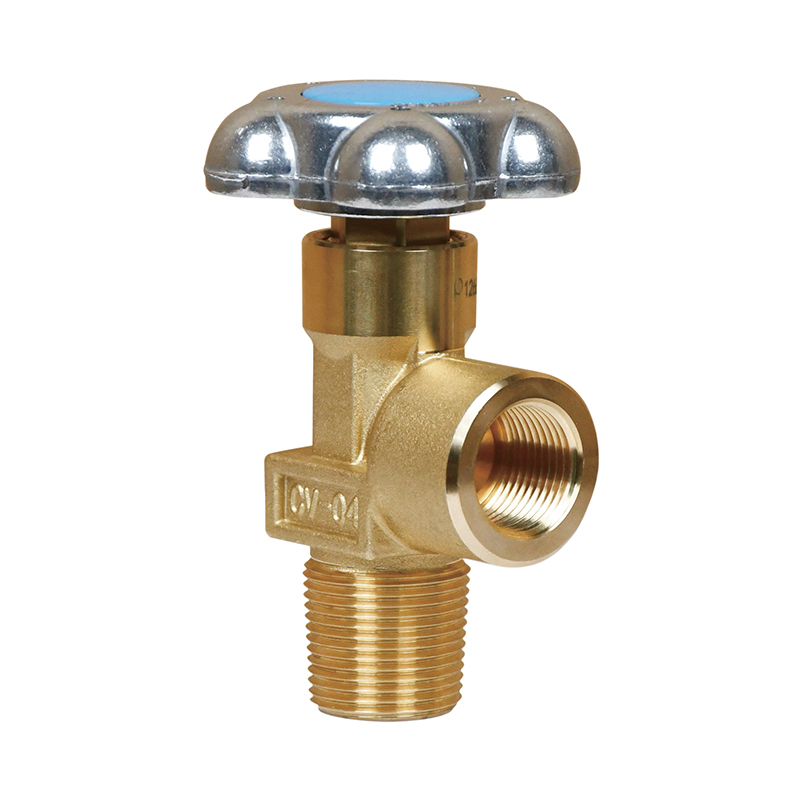
You cannot specify a pressure containment device without first analyzing the payload. The chemical nature of the gas dictates every engineering decision, from the external body material to the microscopic lubricants used on the internal threads.
Inert gases like Argon, Helium, and Neon are chemically stable. They do not readily react with other substances, materials, or environmental factors under normal atmospheric conditions. Because they pose zero risk of chemical corrosion or spontaneous combustion, robust forged brass bodies remain the industry standard. These units provide excellent durability and pressure retention without requiring exotic, high-cost materials.
Handling combustible gases like Hydrogen, Acetylene, and Propane introduces significant mechanical and chemical hurdles. To prevent a distracted operator from accidentally connecting a highly flammable fuel cylinder to a reactive oxidizing system, these valves are engineered with specific left-hand threads. In practical terms, these threads tighten counter-clockwise and are visually identifiable by a distinct notch cut into the hex nut. Hydrogen, for instance, can cause severe embrittlement in certain metals, demanding specific alloys that resist structural weakening over decades of heavy use.
While oxidizing gases do not burn independently, they dramatically accelerate the combustion of surrounding materials. The most extreme hazard materializes if high-pressure oxygen interacts with standard hydrocarbons, such as manufacturing oils, greases, or everyday industrial lubricants. This volatile combination can trigger spontaneous, explosive combustion due to adiabatic compression. Therefore, equipment destined for oxidizing service must undergo rigorous, specialized cleaning protocols to guarantee it is entirely devoid of microscopic hydrocarbon contaminants.
Corrosive and toxic elements pose a direct, aggressive threat to both human respiratory safety and the structural integrity of standard metals. A standard brass body will rapidly pit, degrade, and ultimately fail when exposed to harsh chemicals like chlorine or ammonia. For these demanding applications, stainless steel or highly specialized alloys like Monel or Hastelloy are absolutely mandatory. These premium materials offer superior resistance to chemical attack, ensuring the containment seal remains operable and leak-free throughout its designated service life.
| Gas Category | Typical Gases | Recommended Material | Thread Standard | Key Safety Feature |
|---|---|---|---|---|
| Inert | Nitrogen, Argon, Helium | Forged Brass | Right-Hand | High-pressure PTFE seats |
| Flammable | Hydrogen, Acetylene | Brass / Steel Alloys | Left-Hand (Notched) | Fusible plugs / Specific PRDs |
| Oxidizing | Oxygen, Nitrous Oxide | Oxygen-Cleaned Brass | Right-Hand | 100% Hydrocarbon-free |
| Corrosive | Ammonia, Chlorine | 316L Stainless Steel | Varies by region | Specialized elastomeric O-rings |
Specifying an oxygen cylinder valve requires perhaps the most stringent preparation in the entire industrial sector. Because pressurized oxygen reacts violently with even trace amounts of hydrocarbons, units like the GVC Series must be rigorously cleaned for oxygen service prior to installation. This specialized process strips away all standard manufacturing oils, machine greases, and particulate matter. Furthermore, these units utilize exclusive, oxygen-compatible lubricants on their internal moving parts. In North America, they typically utilize CGA 540 connections and must feature specific burst disc pressure relief devices engineered to safely vent the cylinder in a facility fire without unnecessarily fueling the surrounding flames.
In contrast, a nitrogen cylinder valve manages a high-pressure, chemically inert environment. While the risk of spontaneous combustion is entirely absent, the physical pressure demands are often immense. Standard forged brass is generally sufficient for the external body, but the internal components must strictly match or exceed the cylinder's maximum service pressure. Products like the GVA Series frequently manage working pressures up to 3000 PSI. Nitrogen systems utilize completely different physical connections, such as the CGA 580 standard, ensuring they can withstand high mechanical stress during routine regulator swaps.
You can never safely swap an oxygen fitting for a nitrogen fitting. If a standard nitrogen unit containing residual manufacturing oils is installed on an oxygen vessel, the sheer friction and heat generated by opening the mechanism can instantly ignite the internal hydrocarbons. Conversely, the thread standards are intentionally incompatible. This physical barrier ensures that a fatigued operator cannot accidentally attach a nitrogen regulator to a breathable oxygen line, effectively eliminating severe asphyxiation hazards in confined industrial spaces.
The industrial Handle Wheel Valve is the most ubiquitous actuation type found across heavy manufacturing, welding shops, and chemical plants. It is operated manually by turning a durable, multi-spoked wheel attached directly to the internal stem. Models like the VEA Series offer significant ergonomic benefits. They allow operators wearing heavy, restrictive leather protective gloves to easily apply the necessary torque to open or close the system. Engineered for exceptional durability in harsh environments, this style is highly suitable for high-volume, standard industrial applications where rugged, daily reliability is paramount.
Residual Pressure Valves represent a massive leap forward in cylinder maintenance and gas purity retention. These sophisticated units feature an internal spring-loaded mechanism that automatically shuts off flow when the internal cylinder pressure drops to a specific low threshold, usually hovering around 30 to 50 PSI. By trapping a small amount of positive pressure inside the vessel even when it is functionally empty, the mechanism physically prevents ambient factory air, humidity, and environmental impurities from back-flowing into the cylinder. This feature is a game-changer for high-purity gas applications. It significantly reduces the labor and cost associated with deep-cleaning and purging cylinders before their next refill.
While handwheels dominate the factory floor, certain controlled environments require specialized actuation. Key-operated models lack a permanent wheel. Instead, they require a specific, separate wrench to open. This tamper-proof design is frequently deployed in medical facilities or highly sensitive industrial zones to prevent unauthorized access. On the other end of the spectrum, toggle mechanisms utilize a simple lever for rapid, immediate on-off actuation. They are typically reserved for much lower-pressure applications or specific sampling cylinders where instant flow control is required.
Forged brass serves as the undisputed backbone of the industry for non-corrosive and non-reactive gases. Brass delivers an optimal balance of cost-effectiveness, excellent machinability for cutting precise threads, and high structural durability under intense pressure. Additionally, it naturally resists sparking when struck by heavy tools. This offers a minor but highly beneficial safety characteristic in volatile environments.
When operations shift toward handling corrosive, toxic, or Ultra-High-Purity gases, standard brass becomes wholly inadequate. Here, stainless steel is strictly required. While they command a significantly higher initial price point, their safety profile justifies the investment. Stainless steel fiercely resists the chemical degradation and pitting caused by highly aggressive gases. Crucially, it does not off-gas or shed microscopic metallic particulates, which is vital for maintaining the flawless integrity of gases used in sensitive semiconductor manufacturing.
The external metal body is only half the containment equation. The internal polymer sealing materials ultimately dictate the unit's actual performance. The internal seat, which creates the physical, gas-tight seal when closed, must be chemically compatible with the payload. Polytetrafluoroethylene is heavily favored due to its broad chemical resistance and incredibly low friction. However, for certain specialized reactive gases, specific elastomeric O-rings like Viton or EPDM are necessary. Selecting an incompatible internal polymer is a dangerous engineering mistake. It will inevitably result in the seal swelling, cracking, or completely dissolving, leading to an immediate blowout.
The industrial gas sector relies heavily on physical engineering to enforce safety protocols, primarily through divergent thread directions. As a universal failsafe, flammable gases utilize left-hand threads. To attach a regulator to an acetylene tank, the operator must consciously turn the nut counter-clockwise. Non-flammable and oxidizing gases utilize standard right-hand threads. This brilliantly simple mechanical divergence makes it physically impossible to accidentally thread a highly reactive oxygen line into a combustible fuel supply.
Procurement teams must be acutely aware of regional thread standards before placing bulk orders, as heavy equipment is rarely cross-compatible across borders. Attempting to force incompatible threads will destroy the equipment and cause immediate leaks.
CGA: The dominant regulatory standard across North America. Every specific gas type is assigned a unique CGA number, such as CGA 540 for Oxygen or CGA 580 for Nitrogen, to prevent cross-connection.
DIN: The standard widely enforced throughout Germany and much of Europe, relying on entirely different thread pitches and flat sealing faces compared to CGA.
BS341: The primary framework utilized in the United Kingdom and several Commonwealth nations.
JIS: The strict regulatory standard required for all industrial operations within Japan.
A Pressure Relief Device is the ultimate engineered failsafe on any gas cylinder. It is designed to automatically vent the vessel's contents safely if the internal pressure spikes to a critical, dangerous level. This is typically caused by over-pressurization during the filling process or exposure to extreme external heat, such as a facility fire. Without a properly specified relief device, a compromised cylinder transforms into a deadly projectile.
Different gas types demand specific architectures. Rupture discs feature a thin metal membrane engineered to burst at a predetermined pressure, rapidly evacuating the entire contents. Fusible plugs are made from a specialized alloy designed to melt at a specific temperature, making them ideal for heat-sensitive gases. For highly volatile or toxic blends, combination devices integrate both a rupture disc and a fusible alloy. These require both extreme heat and pressure to activate, thereby preventing accidental false venting on the factory floor.
The handwheel serves as the primary physical interface between the human operator and the high-pressure mechanism. In demanding environments, these components endure extreme wear, heavy impact, and harsh weather. Historically, handwheels were cast exclusively from aluminum or steel. While rugged, metal wheels can freeze in extreme cold and bend upon severe impact, permanently locking the stem in an open or closed position.
Today, high-impact polymers and specialized reinforced plastics are the industry preference. These advanced materials are specifically engineered to absorb heavy kinetic energy during an accidental fall. In rigorous ISO drop tests, high-impact polymer handwheels are designed to shatter or safely deform without transferring the destructive force to the delicate internal brass stem. This ensures that even after a catastrophic drop off a loading dock, the core seal remains intact, and the gas remains safely contained.
In modern industrial safety management, traceability is a critical component of liability reduction. A premium unit will always feature permanent, highly legible stamping on its body. This engraving provides a verifiable history, including the manufacturer's identification, the date of manufacture, the maximum working pressure, and marks indicating compliance with global standards like ISO 10297.
Safety-conscious buyers must insist on equipment that undergoes 100% factory testing. This guarantees every single unit is subjected to high-pressure pneumatic leak testing before leaving the assembly line, rather than relying on random batch testing. Sourcing from reputable, rigorously tested product lines ensures absolute containment integrity.
Proactive maintenance remains the most effective strategy to prevent unexpected equipment failure. Before connecting a regulator, operators must conduct a brief but thorough visual and tactile inspection. First, examine the outlet threads for signs of galling, cross-threading, or metal shavings. Damaged threads instantly compromise the high-pressure seal. Next, ensure the handwheel operates smoothly. If a handwheel requires excessive force or mechanical leverage to turn, the internal mechanism is severely compromised. Never force a stuck stem, as this can shear the internal components and trigger an uncontrolled gas release.
When standing on a noisy factory floor, you might not hear the telltale hiss of escaping high-pressure gas. Consequently, operators must rely on visual confirmation by applying an approved commercial leak-detection fluid, commonly known as snoop liquid, directly to the connection points. Bubbles indicate a dangerous leak. Never use household soap solutions, as they may contain animal fats or oils that are highly incompatible with oxidizing gases.
These critical containment devices do not possess an infinite lifespan. Internal components, particularly the elastomeric O-rings and PTFE seats, naturally degrade over time due to constant pressure cycling and environmental exposure. Industry best practices dictate that these mechanisms should be comprehensively refurbished or entirely replaced during the cylinder's mandatory hydrostatic testing cycle. Depending on the vessel material and payload, this testing interval usually occurs every 5 to 10 years.
Immediate replacement is required regardless of age if the cylinder is subjected to fire, if the stem sustains physical impact damage from a drop, or if visible corrosion appears on the brass body. Aligning replacement schedules with the hydrostatic test cycle ensures that the mechanical containment device is always as structurally sound as the newly certified cylinder body.
Selecting the correct industrial gas cylinder valve is a highly precise engineering process that directly impacts the safety and efficiency of your entire operation. You must meticulously match the equipment to your specific gas chemistry, ensuring material compatibility and the total absence of reactive contaminants. Adhering to proper pressure ratings and regional thread standards is the only way to physically prevent hazardous cross-contamination accidents on the factory floor.
When outfitting your facility, always prioritize precision engineering and integrated safety features over minor savings on initial purchasing costs. A high-quality mechanical seal pays for itself by preventing leaks, reducing maintenance downtime, and protecting your workforce. Whether you need a robust solution for standard inert systems or a rigorously cleaned unit for oxidizing environments, evaluate your specific pressure and purity requirements. We strongly encourage facility managers to explore the highly certified equipment available at zxhpgas.com to find the exact, uncompromising match for their specific industrial applications.
Absolutely not. While both gases are widely utilized across industrial sectors, their containment systems are engineered with fundamentally different safety protocols. An oxygen unit must undergo stringent cleaning processes to remove all microscopic traces of hydrocarbons, machine oils, and greases. If high-pressure oxygen contacts these substances, it triggers spontaneous ignition and explosive failure. A nitrogen unit, handling an inert gas, does not require this intense level of hydrocarbon cleaning. Additionally, regulatory bodies mandate entirely different thread connection standards to make it physically impossible to accidentally cross-connect the two systems.
The operational lifespan depends heavily on the frequency of actuation, the harshness of the operating environment, and the specific chemical nature of the gas being contained. As a strict industry baseline, these units are typically inspected, fully factory-rebuilt, or completely replaced during the cylinder's mandatory hydrostatic testing interval, which occurs every 5 to 10 years. Any unit that sustains physical impact from a drop, survives extreme heat exposure, or exhibits persistent leaks during routine checks must be permanently removed from service and replaced immediately.
Divergent thread directions serve as a foolproof, mechanical safety mechanism designed to prevent operators from inadvertently mixing highly incompatible materials. Flammable fuel gases utilize left-hand threads, which tighten by turning counter-clockwise and frequently feature a distinct visual notch cut into the hex nut. Non-flammable and oxidizing gases utilize standard right-hand threads. This deliberate physical incompatibility ensures that a regulator designed for a reactive oxidizer cannot be accidentally threaded onto a highly combustible fuel tank.
A Residual Pressure Valve is an advanced internal design that retains a small, predetermined amount of positive gas pressure inside the vessel, even when the handwheel is left completely open. This constant positive pressure acts as an invisible shield, preventing ambient factory air, humidity, and airborne contaminants from back-flowing into the pristine interior of the cylinder. You highly benefit from this technology if your operations involve ultra-high-purity manufacturing, sensitive medical gas applications, or environments with high humidity where internal cylinder corrosion would compromise your product quality.
To safely and accurately detect a leak, you must use an approved commercial leak-detection fluid. Apply this specialized solution generously to the stem, the packing nut, and the regulator connection points immediately after the system has been slowly pressurized. If the fluid begins to form growing bubbles, gas is actively escaping. Because industrial environments are often incredibly loud, you cannot rely on hearing the characteristic hissing sound of a high-pressure leak, making this visual bubble test absolutely essential.
The pressure rating of your containment device must strictly match or exceed the maximum service pressure of the cylinder it is installed on. You can identify this requirement by checking the permanent stamping on the neck of the cylinder. Installing a unit rated for 2000 PSI on a high-pressure nitrogen cylinder designed to hold 3000 PSI will result in catastrophic structural failure of the internal seats and immediate gas release.
Using standard forged brass equipment for ultra-high-purity applications will severely compromise your gas quality. Standard units often shed microscopic metallic particulates and off-gas internal polymer lubricants into the gas stream. For UHP applications, particularly in semiconductor manufacturing, you must use specialized stainless steel units with highly polished internal surfaces and cleanroom-assembled seals to maintain the flawless integrity of the payload.


