
On August 24, 2026, the Gases and Welding Distributors Association (GAWDA) issued a safety alert after several cylinders were identified during pre-fill inspections with apparently new cylinder valves missing required compliance markings.
According to the alert, cylinder valves are part of the compressed gas packaging system and must comply with the applicable requirements of the U.S. Department of Transportation (DOT) or Transport Canada (TC).
Importantly, this is not a new regulation. Instead, the alert highlights existing North American requirements for cylinder valve compliance and marking.
For cylinders used to transport compressed gases in the United States, 49 CFR §173.301(a)(11) requires applicable cylinder valves manufactured on or after November 7, 2019, to conform to CGA V-9 — Standard for Compressed Gas Cylinder Valves.
CGA V-9 covers key requirements for compressed gas cylinder valves, including valve design, materials, performance, qualification, production testing and marking.
This means that for common DOT specification cylinders such as DOT-3AL aluminum gas cylinders, compliance does not apply only to the cylinder body. The valve installed on the cylinder must also meet the applicable requirements.
Unlike DOT specification cylinders, ordinary cylinder valves do not require a separate “DOT valve certificate.” Instead, the applicable requirements are addressed through compliance with CGA V-9, including the required permanent valve markings.
GAWDA’s recent alert specifically highlights the date of manufacture, which has been a required cylinder valve marking in the United States since 2019.
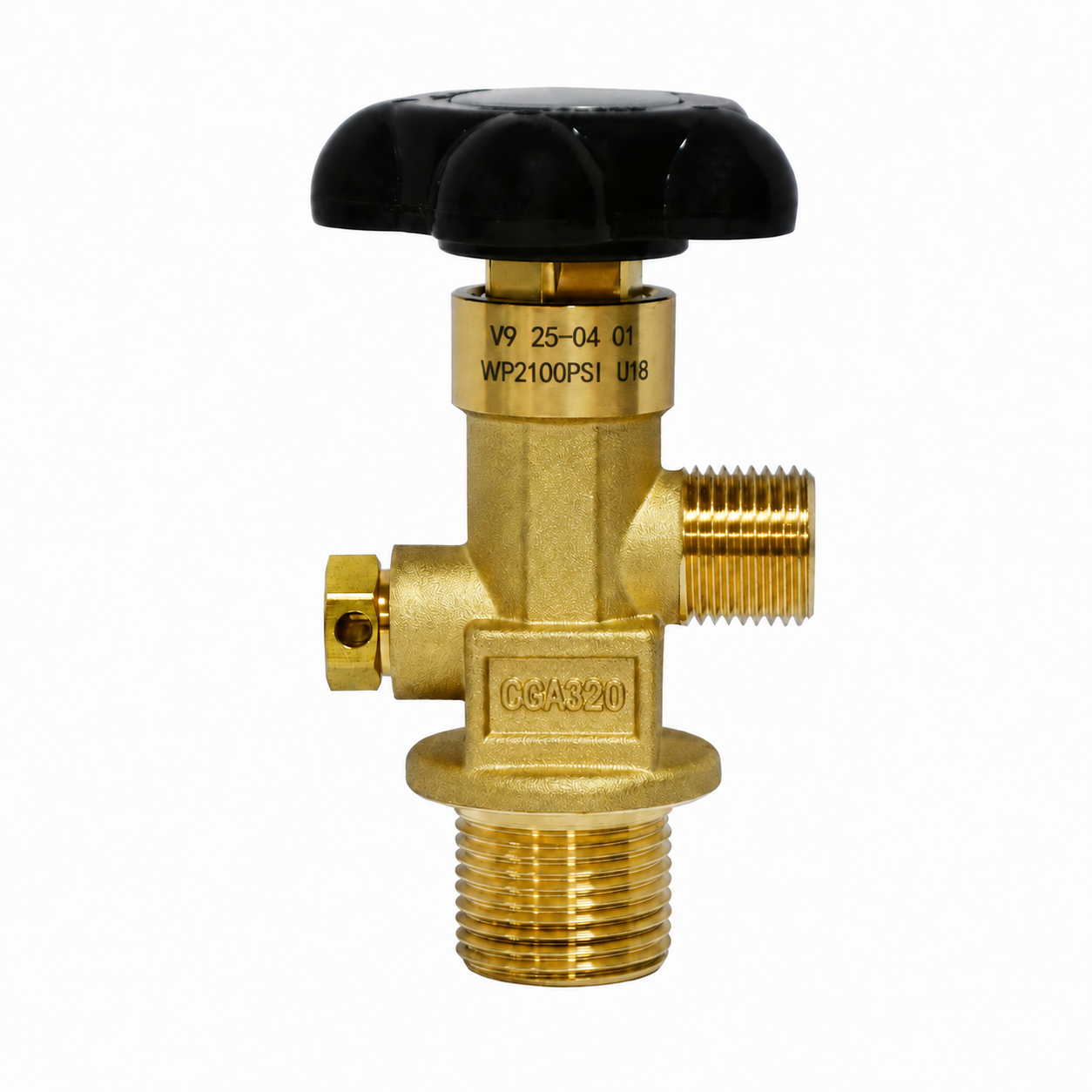
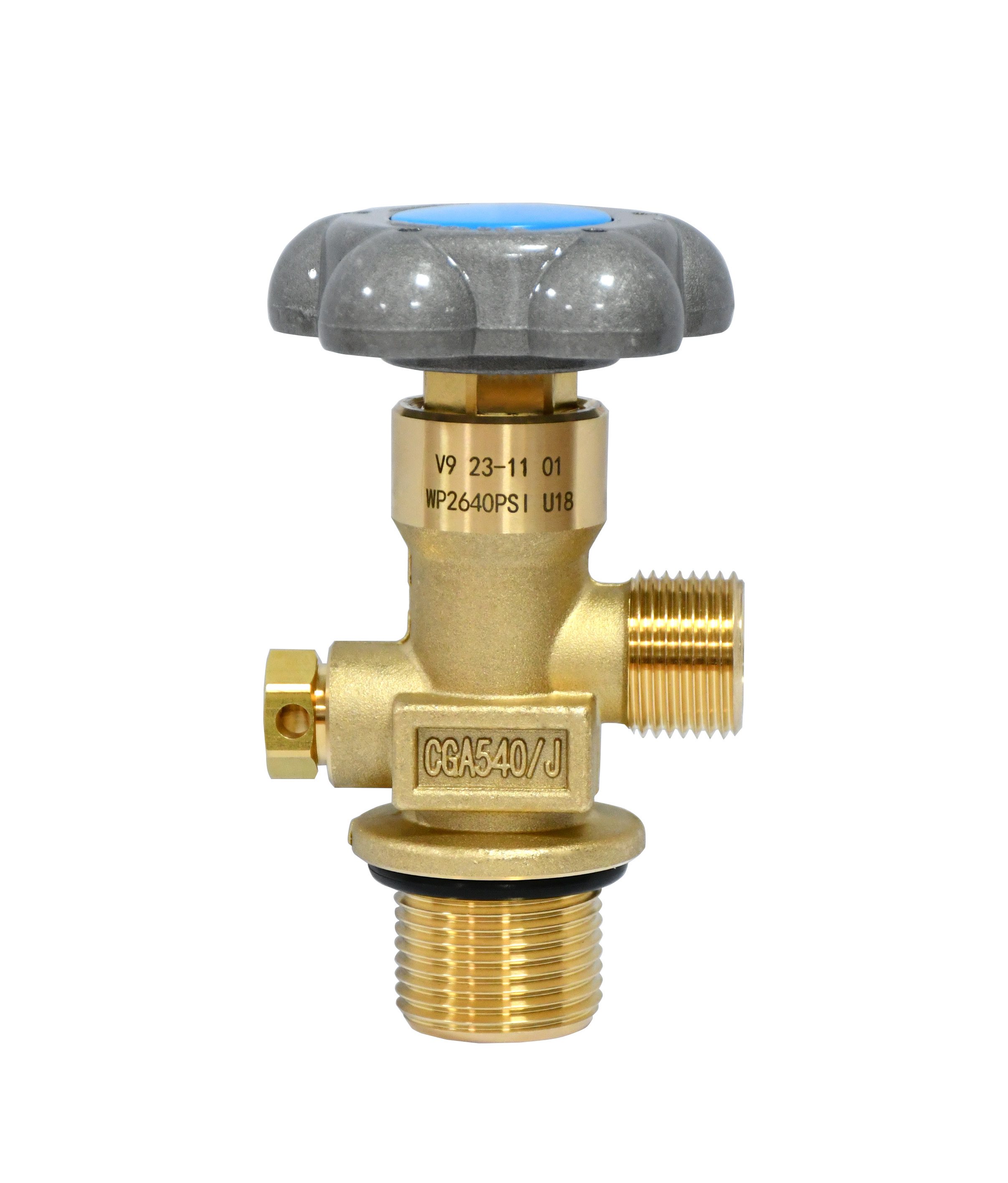
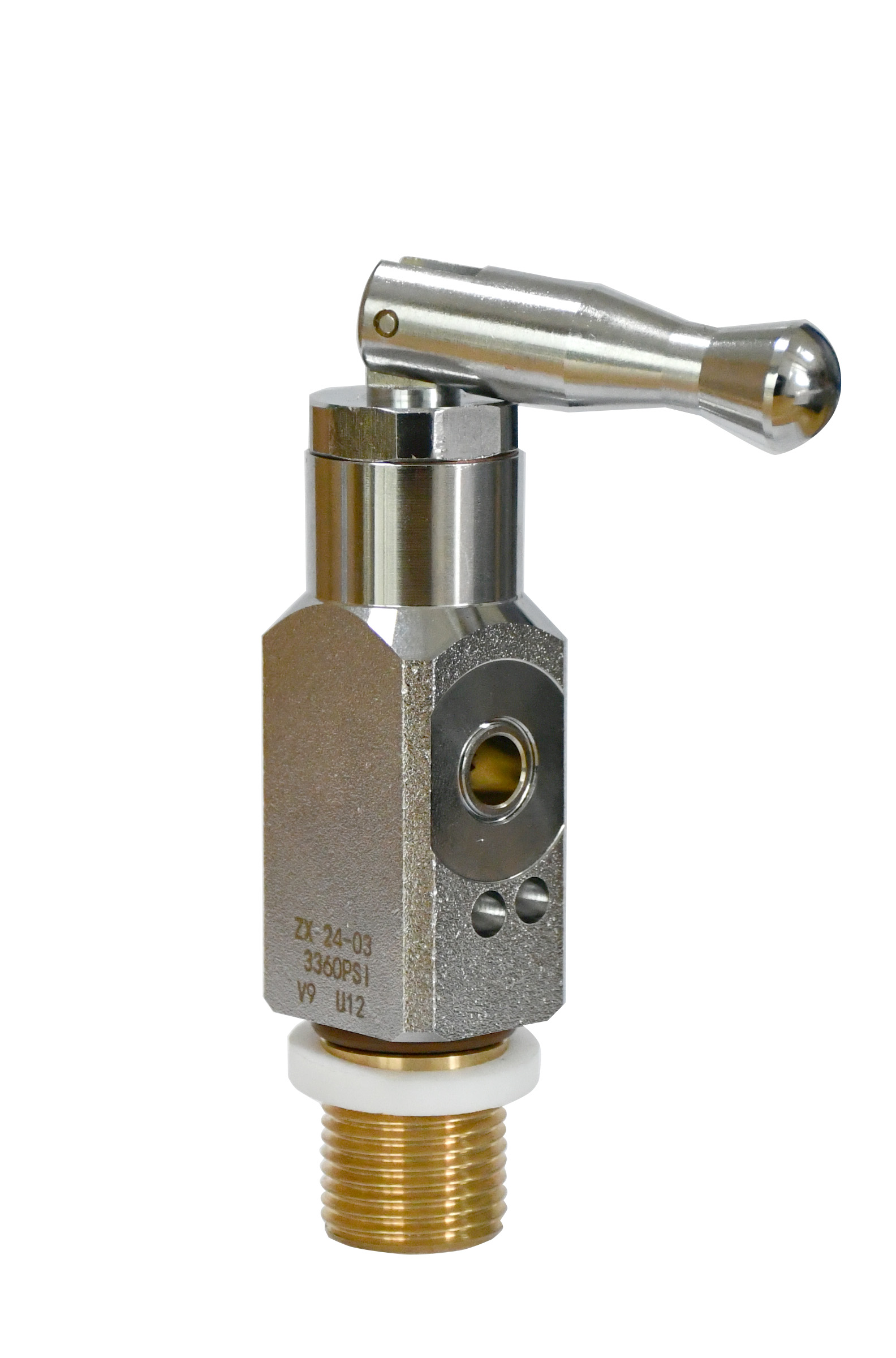
Depending on the valve type and configuration, other applicable markings under CGA V-9 may include the manufacturer identification, V9 marking, valve inlet thread identification, and markings related to the pressure relief device where applicable.
Yes.
Transport Canada officially lists:
“Department of Transportation (DOT) cylinders and tubes – manufactured according to U.S. rules in 49 CFR (marked ‘DOT’)”
among the cylinder specifications authorized for use in Canada.
Therefore, compliant DOT specification cylinders, including common DOT-3AL aluminum cylinders, can be supplied for the Canadian market without obtaining a separate TC cylinder specification certification simply because they are entering Canada.
This is particularly relevant for manufacturers serving both the U.S. and Canadian markets, as a properly manufactured and marked DOT cylinder can support projects across both markets without requiring a separate Canadian cylinder certification system.
CGA V-9 includes specific requirements for permanent and traceable valve markings. Depending on the valve design and connection, key markings may include:
· “V-9” or “V9” permanently marked on the valve body;
· a valve inlet code identifying the inlet thread in accordance with CGA V-19;
· appropriate identification of the pressure relief device (PRD), where fitted;
· manufacturer and manufacturing date markings for applicable post-type medical gas valves;
· the maximum connection pressure for certain proprietary or non-CGA connections where required.
The markings must remain clear and identifiable after the valve is installed on the cylinder.
These requirements help users identify the valve, its connection and relevant safety information, while also improving product traceability throughout its service life.
References
1. U.S. Department of Transportation — 49 CFR §173.301: General Requirements for Shipment of Compressed Gases in Cylinders and Spherical Pressure Vessels
2. GAWDA Safety Alert — Cylinder Valves Missing Required Markings, August 24, 2026
https://www.gawda.org/safety_alerts/cylinder-valves-aug2026/
3. Transport Canada — Cylinders, Spheres and Tubes Requirements
4. CGA V-9 — Standard for Compressed Gas Cylinder Valves, Compressed Gas Association


